

What’s the Difference Between Yoga Leggings and Joggers?

When you choose between yoga leggings and joggers, you see big differences. Yoga leggings fit close to your body. They use stretchy fabrics like spandex and nylon. These fabrics help you move easily. Joggers are looser and use thicker materials. This makes them more comfortable. You can look at the table below to see common materials and their benefits:
Material |
Benefits |
|---|---|
Cotton |
Breathability and comfort |
Nylon |
Durability and moisture-wicking |
Spandex |
High stretchability and flexibility |
Polyester |
Durability and sweat resistance |
Bamboo |
Eco-friendliness and additional comfort |
These differences help you pick what feels best. You can wear them for workouts, daily life, or just to relax.
Key Takeaways
Yoga leggings fit tightly and stretch easily. They are good for hard workouts and activities that need you to move a lot. Joggers are loose and made with thicker cloth. They are best for relaxing, light exercise, or staying at home. Think about the weather and what you will do before picking leggings or joggers. Leggings work well when it is warm. Joggers help you stay warm when it is cold. Pick fabrics that pull sweat away and let air in for both styles. This helps you feel good and do your best. What you like is most important. Choose the style that helps you feel sure and comfy every day.
Yoga Leggings vs Joggers Overview
What Are Yoga Leggings?
You might notice that yoga leggings feel like a second skin. They hug your body and move with you. Most yoga leggings use stretchy fabrics like spandex or a cotton-spandex blend. This makes them flexible and perfect for bending, stretching, or holding a pose. You get a high-waisted design that supports your core and helps you feel secure. Many pairs have flat seams, so you do not feel any rubbing or irritation when you move.
Here are some key features you will find in yoga leggings:
Flexible and stretchy material lets you move freely.
Core support and tummy control help you feel stable.
Moisture-wicking fabrics keep you dry during sweaty workouts.
Comfortable fit means you can focus on your activity, not your clothes.
Durable construction makes them last through many washes.
Some styles have pockets for your essentials.
Tip: If you want leggings for yoga, look for ones with a breathable and wicking fabric. This keeps you cool and dry, even in hot yoga classes.
Check out this table to see how yoga leggings help you move and stay comfortable:
Feature |
Description |
|---|---|
Breathable fabric |
Keeps you cool during workouts and daily wear |
High-waisted design |
Supports your body and gives a flattering fit |
Stretchable material |
Lets you bend and stretch without feeling tight |
Wicking fabric |
Pulls sweat away from your skin |
Flat seams |
Stops rubbing and irritation |
Yoga leggings work best for high-intensity workouts or activities where you need to stretch and move a lot. You can wear them for yoga, pilates, or even running.
What Are Joggers?
Joggers give you a relaxed fit and a casual look. You will notice they feel looser than leggings, but not as baggy as sweatpants. Most joggers have an elastic waistband, so they stay in place when you move. The fabric is usually thicker, like cotton or fleece, which makes them cozy for cooler days.
Here are some things you will find in joggers:
Loose fit with a tapered leg for comfort and style.
Elastic waistband for a secure fit.
High stretch lets you move easily.
Airy fabric keeps you cool and comfortable.
Great for all-day wear, even when you sleep.
Joggers work well for casual wear and light exercise. You might wear them for a walk, a trip to the store, or just relaxing at home. Some joggers use thinner materials for breathability, so you do not get too hot. Others use cotton-poly blends or polyester for a lightweight feel and moisture control.
Note: If you want pants for lounging or low-intensity activities, joggers are a great choice. They give you freedom to move and keep you comfortable all day.
Here is a quick list to help you see the main differences in fit and use:
Joggers: Loose fit, thick or thin material, elastic waistband, best for casual wear and light exercise.
Yoga leggings: Form-fitting, stretchy, moisture-wicking, best for high-intensity workouts and flexibility.
You can pick the style that matches your needs and your favorite activities.
Fit and Comfort Comparison
Yoga Leggings Fit and Support
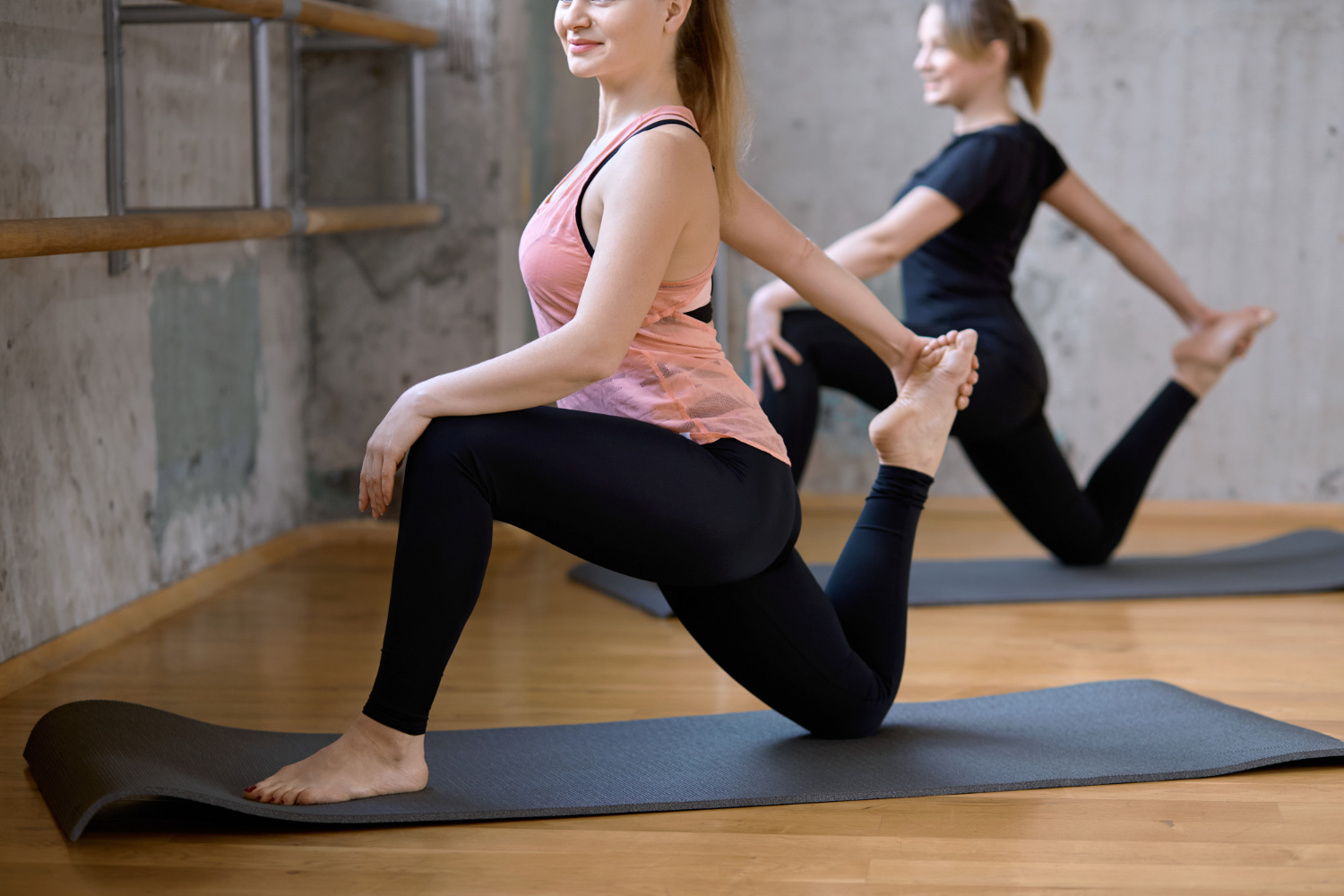
When you slip into yoga leggings, you feel them hug your body. They stretch with you, so you can bend, twist, and move without feeling restricted. The snug fit helps you stay focused during your workout. You get support around your waist and hips, which makes you feel secure. Many yoga leggings use spandex or elastane, so they bounce back after every stretch.
You might notice some common fit issues, though. Here are a few problems people talk about:
Camel toe
Transparency
Tightness around the thighs
Issues with the rise and fit around the hips
"I have a body that nothing 'fitted' fits. But, elastic? Why, at the very least, can’t even elastic fit me? Why do I have to have a muffin top in spandex? The thighs are often too tight, slide down my body with varying degrees of speed, and super aggravatingly roll down my midriff nonstop while I practice. They get baggy at the knees and even the butt. Camel toe is a constant threat."
Yoga leggings often come with features that boost your comfort and performance:
Made with minimal spandex or elastane for stretchiness and durability
Nontoxic properties, free of harmful chemical treatments like PFAS
Flexibility for high-mobility exercises
Support and comfort that reduce distractions
Materials and fit that allow a full range of motion
You get a body-hugging fit that works best for high-intensity workouts and activities that need flexibility. If you want to stretch, jump, or hold a pose, yoga leggings help you move with confidence.
Joggers Fit and Breathability
Joggers feel different from yoga leggings. You get a relaxed fit that gives you room to move. The waistband sits comfortably, and the legs taper for a stylish look. Joggers work well for casual wear and low-impact activities. You can wear them for a walk, lounging, or running errands.
Joggers use breathable cotton-polyester fabric. This helps air flow and keeps you cool during physical activities. You can find joggers for every body type:
Slim and tall body types: Choose joggers with a tapered leg for a streamlined look.
Athletic and muscular builds: Opt for joggers with a slight taper and room in the thighs, using stretch fabrics for comfort.
Stocky or larger body types: Look for joggers with a relaxed fit and wider leg openings, ensuring comfort and coverage.
You can also pick joggers based on the weather and your needs:
Cotton joggers: Soft and breathable, ideal for warm weather.
Fleece-lined joggers: Provide warmth for colder climates.
Stretch fabrics: Allow for flexibility and ease of movement.
Joggers give you extra warmth and a looser fit, which makes them great for outdoor activities or relaxing at home. You get comfort without feeling squeezed, and the fabric lets your skin breathe.
If you want pants for casual days or light exercise, joggers keep you comfortable and cool. You can move freely and enjoy a laid-back style.
Material Differences
Stretchy Fabrics in Yoga Leggings
When you pick up a pair of yoga leggings, you can feel how stretchy and smooth they are. These leggings use special fabric blends that help you move in every direction. Most yoga leggings use a mix of spandex with either polyester or nylon. This combo gives you a soft feel, great stretch, and keeps the leggings strong even after many washes.
Here’s a quick look at the most popular fabric blends and their benefits:
Fabric Blend |
Advantages |
|---|---|
Polyester and Spandex |
Durable, moisture-wicking, and super stretchy—perfect for tough workouts. |
Nylon and Spandex |
Smooth, supportive, and elastic—great for yoga and running. |
Spandex stands out because it can stretch up to five times its original length. You can bend, twist, and stretch without feeling tight or uncomfortable. These fabrics also wick away sweat, so you stay dry during your workout. You don’t have to worry about your leggings losing shape, either. Spandex helps them snap back, so they look good every time you wear them.
Tip: If you want leggings that last, look for ones with a high spandex content. They keep their shape and support you through every move.
Thicker Fabrics in Joggers
Joggers feel different from yoga leggings because they use thicker fabrics. You get a cozy, heavier feel that works well for relaxing or going outside on cooler days. Cotton is a common choice for joggers. It feels soft and lets your skin breathe. Some joggers use fleece for extra warmth, while others use polyester for durability and moisture control.
Here are some ways different materials affect joggers:
Cotton joggers feel light and breathable, great for mild weather.
Fleece-lined joggers keep you warm in cold weather, even when it’s below 50°F.
Polyester joggers are tough and wick away sweat, so you stay comfortable in warm conditions.
Midweight cotton-poly blends balance comfort and structure, making them good for travel or lounging.
Thicker fabrics add weight, which can make joggers feel warmer but sometimes less comfy in hot weather. If you want joggers for summer, pick lightweight, breathable options. For winter, go for fleece or heavier cotton.
Note: Choose joggers based on the season and your activity. You’ll stay comfortable all year long.
Best Uses and Performance
Yoga Leggings for High-Intensity Workouts
You want to push yourself during a tough workout. Yoga leggings help you do that. These leggings give you a snug fit that moves with your body. You can jump, stretch, or hold a pose without feeling restricted. Many athletes choose yoga leggings for high-intensity workouts because they offer real performance benefits:
Compression technology helps stabilize your muscles. This reduces shaking and keeps you steady during fast movements.
Moisture-wicking properties pull sweat away from your skin. You stay dry and cool, even when you work out for a long time.
Lightweight and breathable materials keep you comfortable. You do not have to worry about sweat building up or feeling too hot.
Tip: If you want to avoid distractions during your workout, pick yoga leggings with a high spandex content. They keep their shape and support you through every move.
You can wear yoga leggings for running, HIIT, or any activity that needs flexibility and support. They help you focus on your performance, not your clothes.
Joggers for Casual and Light Exercise
Joggers feel great when you want to relax or do light exercise. You get a looser fit that lets you move easily. Joggers work well for walking, stretching, or just hanging out at home. They support your comfort and movement in many ways:
You can do kneeling hip flexor stretches to improve hip mobility. This makes walking and moving easier.
Soleus stretches help your ankles move better. You lower your risk of injury and walk more comfortably.
Dynamic stretches like leg swings or walking lunges warm up your muscles. You get ready for movement.
Static stretches, such as hamstring or hip flexor stretches, help your muscles recover after activity.
Soft fabrics and relaxed fits increase flexibility. You feel comfortable during every movement.
Note: Joggers are perfect for days when you want comfort and freedom. You can wear them for a walk, a light workout, or just to relax.
You get the best of both worlds—comfort and style—when you choose joggers for casual or low-impact activities.
Style and Versatility
Activewear Trends
You probably notice that activewear keeps changing every year. Designers want you to feel good and look great, whether you work out or hang out. Right now, both yoga leggings and joggers follow some big trends. Here’s what you see most:
Comfort comes first. You want pants that feel soft and let you move easily.
High-performance fabrics are everywhere. These materials stretch with you and pull sweat away from your skin.
Athleisure is huge. You can wear your leggings or joggers at the gym, then head out for coffee without changing.
Fashion matters. You find bold colors, cool patterns, and sleek designs in stores now.
You get more choices than ever. Some brands even mix sporty looks with street style. You might see mesh panels, color blocking, or even shiny finishes. These details help you stand out and show off your personality.
Tip: Try a pair with a fun print or a pop of color. You can boost your mood and your style at the same time!
Everyday Wear Options
You do not have to save yoga leggings or joggers just for workouts. Both work well for daily life. Yoga leggings give you a fitted look that pairs well with long shirts, hoodies, or even a denim jacket. You can dress them up with sneakers or boots.
Joggers offer a relaxed vibe. You can wear them with a T-shirt for a laid-back day or add a sweater for a cozy feel. Many people wear joggers to school, the mall, or even on trips. The elastic waistband and soft fabric make them perfect for long days.
If you want to mix comfort and style, try both. You can switch between leggings and joggers based on your plans. You always stay comfortable and look put together.
How to Choose
Activity and Climate Considerations
Picking between yoga leggings and joggers can feel tricky. You want to think about what you plan to do and where you will wear them. If you love high-energy workouts or yoga, leggings might be your best friend. They fit close to your body and stretch with every move. You will not feel any extra fabric getting in your way. Leggings also keep you cool because they use lightweight, breathable materials. This makes them perfect for indoor classes or warm days.
Joggers work better when you want comfort and warmth. You get a looser fit, which feels great for walking, stretching, or just hanging out. Joggers use thicker fabrics, so you stay cozy during cooler weather or outdoor activities. If you plan to exercise outside in the cold, joggers help keep you warm.
Here are some things to think about:
Comfort: Joggers give you a relaxed fit and warmth. Leggings offer a snug fit and keep you dry.
Mobility: Joggers let you move freely. Leggings help you stretch and bend with ease.
Climate: Joggers are great for cold days. Leggings work best for hot weather or indoor workouts.
Style: Joggers look casual and relaxed. Leggings give you a sleek, sporty look.
Tip: Try both styles for different activities. You might like leggings for the gym and joggers for a walk outside.
Personal Preference Tips
Your comfort matters most. You want to pick fabrics that feel good on your skin and help you stay dry. Look for cotton, spandex, or blends that wick away sweat. If you do yoga, choose tight-fitting leggings. They stay in place and do not distract you during poses. For strength training, longer pants protect your legs from scrapes. If you run or do cardio, a fitted top or long sleeve keeps sweat off your skin.
You can also dress in layers for outdoor workouts. Start with leggings or joggers, then add a hoodie or jacket. This way, you can take off a layer if you get too warm.
Pick tight leggings for yoga or stretching.
Wear longer pants for weightlifting.
Try layers for outdoor activities.
Remember: The best choice is the one that makes you feel confident and comfortable. Listen to your body and pick what works for you!
Yoga leggings fit close to your body. They use stretchy and light fabrics. Joggers feel loose and use thicker material. Both are good for different things. You should pick what feels best for you.
Comfort is very important.
Mobility lets you move easily.
What you like is most important.
Choose pants that fit your life. You will feel sure of yourself and ready for anything!
FAQ
Are yoga leggings see-through?
You might worry about this. Most quality yoga leggings use thick, stretchy fabric that stays opaque. Always check for a squat-proof label or do a quick bend test at home.
Can you wear joggers for yoga?
You can, but you may not feel as free to move. Joggers feel looser and sometimes bunch up. Yoga leggings give you better stretch and support for poses.
How do I wash yoga leggings and joggers?
Tip: Turn both inside out before washing. Use cold water and a gentle cycle. Skip fabric softener. Air dry to keep the shape and stretch.
Which is better for hot weather?
Yoga leggings with moisture-wicking fabric keep you cooler during workouts. Joggers with lightweight cotton also work, but you might feel warmer if the fabric is thick.


