

How to choose a yoga jacket for cooler weather practice
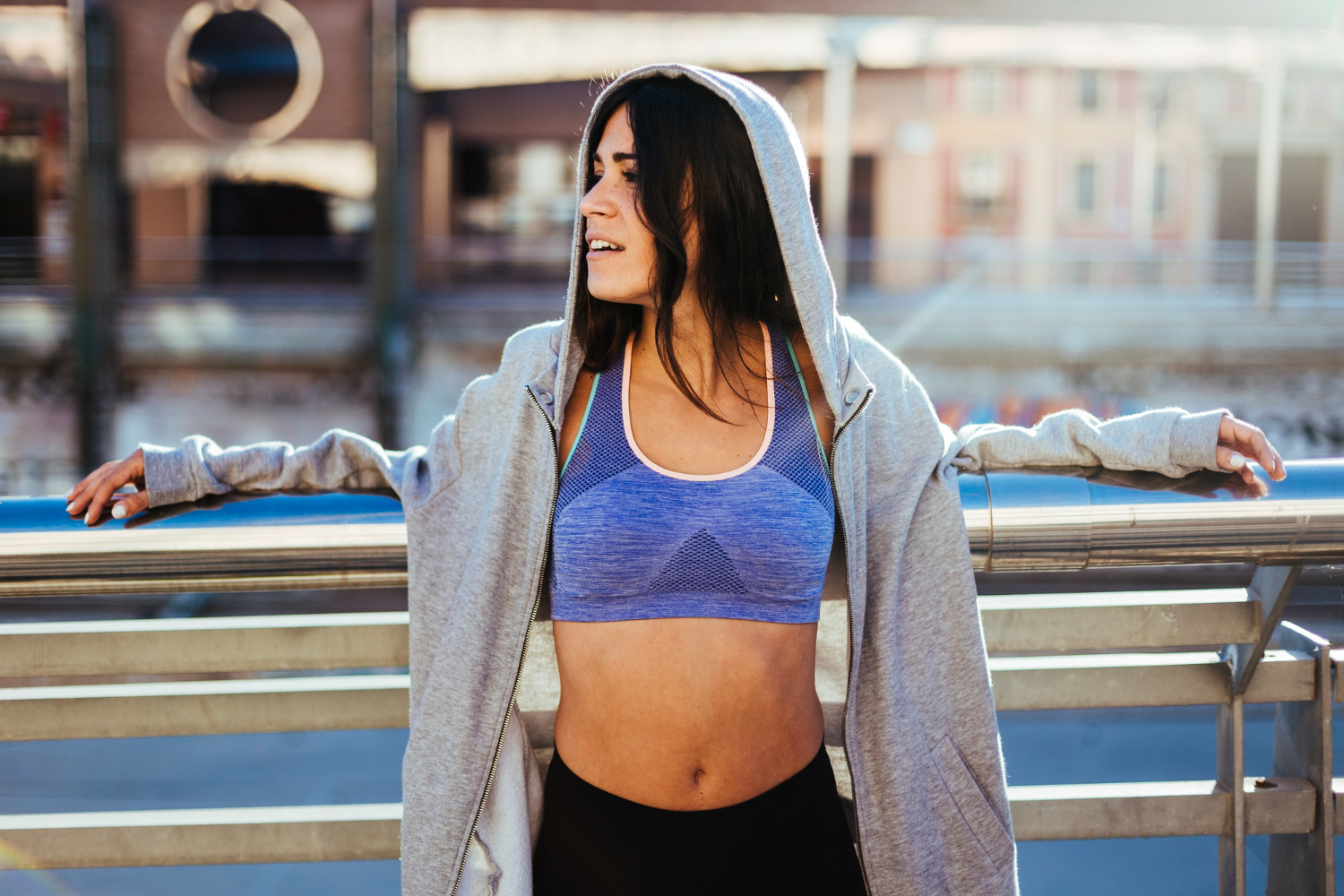
When you choose a yoga jacket for cold weather, focus on warmth, breathability, flexibility, and fit. A yoga-specific jacket stands out because:
It wicks away moisture to keep you dry and warm.
It lets fresh air in, so you do not overheat.
It moves with you, so every pose feels natural.
Think about your practice space and what makes you comfortable.
Key Takeaways
Pick a yoga jacket with warm and sweat-wicking fabric. This helps you stay warm and dry when it is cold. - Find a jacket that fits close but lets you move. Elastane or spandex help the jacket stretch for big poses. - You can wear your yoga jacket over light, airy shirts. Layering keeps you comfy and warm while you exercise.
Choose a Yoga Jacket for Cold Weather
Material and Fabric Choices
When you choose a yoga jacket for cold days, the fabric matters a lot. You want to stay warm, but you also need to move and breathe easily. Some materials work better than others for yoga clothes in cold weather. Here are the top choices:
Insulating fabrics like merino wool and wool blends keep you warm without making your jacket bulky. These are perfect for slow, restorative yoga or when you need extra warmth.
Moisture-wicking technology in polyester blends or merino wool helps pull sweat away from your skin. This keeps you from feeling cold and clammy during your practice.
Fabrics with elastane or spandex give your yoga jacket the stretch you need for deep bends and twists.
Breathable fabrics with mesh panels or special ventilation help you stay comfortable. You will not overheat, even if your yoga clothes are layered.
Tip: Merino wool is a favorite for many yogis. It is lightweight, ultra-soft, and very breathable. It also resists odors, so you can wear your yoga jacket for several sessions before washing.
If you care about the planet, look for yoga clothes made from organic cotton, hemp, or Tencel. These materials use less water and energy. They also break down more easily, so they are better for the environment. Some yoga jackets come with certifications like GOTS or OEKO-TEX, which means they meet high standards for safety and sustainability.
Feature |
PCM-Enhanced Fabric |
Merino Wool |
Polyester Blend |
|---|---|---|---|
Heat Regulation |
Excellent |
High |
Moderate |
Moisture Management |
Moderate |
High |
Moderate |
Weight |
Lightweight |
Lightweight |
Lightweight |
Odor Resistance |
Moderate |
High |
Low |
Eco-Friendly Options |
Yes |
Yes |
Sometimes |
Fit and Flexibility for Yoga
You want your yoga jacket to fit just right. It should feel snug but not tight. A good fit keeps you warm and lets you move freely. If your jacket is too loose, cold air can sneak in. If it is too tight, you cannot stretch or twist.
Yoga clothes need to be flexible. Cold weather makes your muscles and joints feel stiff. When you stretch, you warm up your body and lower your risk of injury. A flexible yoga jacket helps you move through every pose, even when it is cold outside.
Choose a yoga jacket with plenty of stretch. Elastane or spandex blends are great for this.
Look for raglan sleeves or gusseted underarms. These features let you reach and twist without feeling restricted.
Remember, wet fabric can make you colder and affect your performance. Moisture-wicking and breathable materials help keep your muscles at the right temperature.
Note: Cold weather can make your muscles contract and your joints feel tight. A flexible yoga jacket helps you stay comfortable and safe during your practice.
Key Features for Practice
The right features make your yoga jacket even better for cold weather. Here are some things to look for:
Thumbholes keep your sleeves in place and add extra warmth for your hands.
Zippered pockets give you a safe spot for your keys or phone.
Full-length zippers make it easy to take your jacket off or put it on, even during class.
Wind-blocking and water-repellent finishes help you stay comfortable if you practice yoga outdoors. These features protect you from cold wind and light rain.
Breathable mesh panels or vents keep air flowing, so you do not get too hot.
Pro Tip: Layer your yoga jacket over a long-sleeved top or under a heavier coat for extra warmth. You can always remove a layer if you get too warm during your cold weather workouts.
When you choose a yoga jacket, think about your practice space, the weather, and your personal style. The right yoga clothes will keep you warm, dry, and comfortable, so you can focus on your yoga—even when it is cold outside.
Style and Layering for Winter Workout Clothes
Layering Tips for Cold Weather Workouts
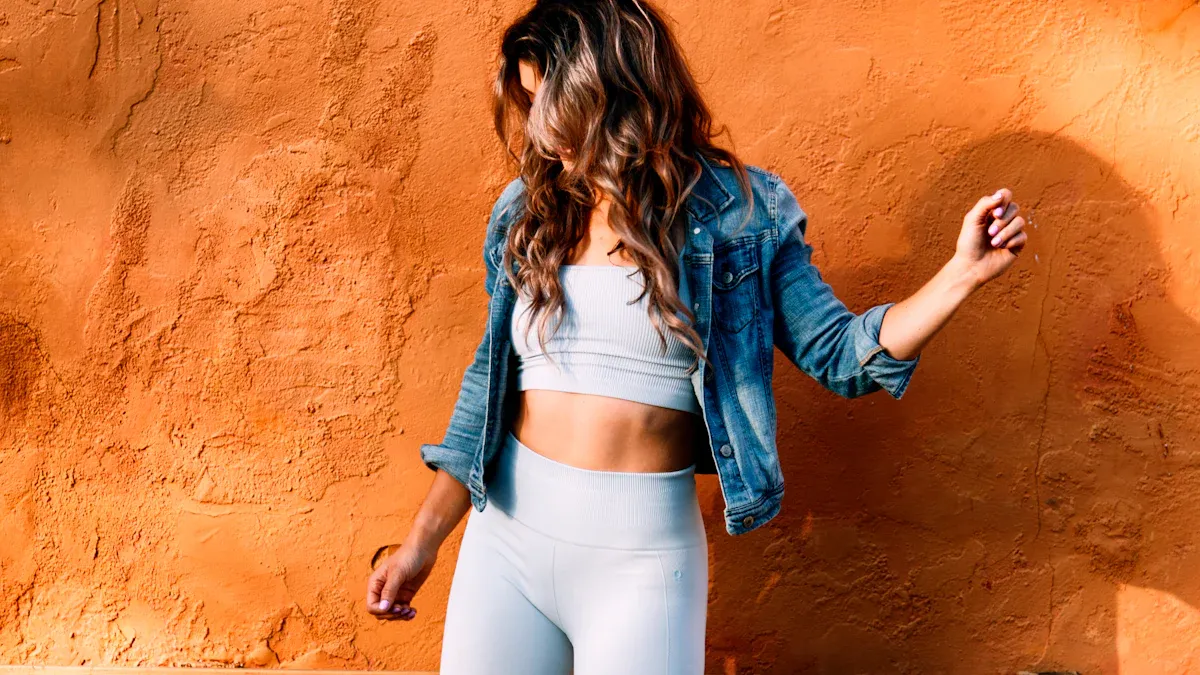
When you plan what to wear for a cold exercise session, think about layers. Start with a snug base layer made from moisture-wicking fabric like silk or polyester. This keeps sweat off your skin during yoga or any workout. Add a middle layer, such as a fleece pullover, for insulation and easy movement. Top it off with a yoga jacket that blocks wind and repels water. Choose breathable fabrics so you stay comfortable as you exercise. If you head outside for an outdoor winter workout, dress as if it’s 20 degrees warmer than it is. Your body heats up fast during exercise. Don’t forget gloves, hats, and warm socks to protect your hands and feet from the cold.
Choosing the Right Style for Yoga
You want your yoga jacket to fit your exercise style. For indoor workouts, pick lighter, breathable jackets. These keep you comfortable during yoga or a quick exercise class. For outdoor winter workout sessions, go for jackets with more insulation and weather protection. Look for styles that move with you, so you can stretch and bend without feeling restricted. A good yoga jacket works for both yoga and other winter fitness routines. Choose colors and designs that make you feel confident and ready to exercise.
Care and Maintenance
Taking care of your yoga jacket helps it last longer. Always check the label before washing. Use cold water and a mild detergent. Turn your jacket inside out to protect the fabric. Air dry it instead of using a dryer to keep the fibers strong. Store your jacket in a cool, dry place away from sunlight. Close zippers and fasten Velcro before washing to avoid snags. If you treat stains early and avoid too much detergent, your jacket will stay fresh and comfortable for every exercise session.
When you pick a yoga jacket for cold weather, focus on warmth, flexibility, and comfort. Look for fleece-lined or wool blends, moisture-wicking fabrics, and stretchy materials. Here’s a quick checklist to help you decide:
Traps heat, blocks cold air
Feels comfortable and works for your practice
Invest in a quality jacket that supports your yoga journey.
FAQ
What makes a yoga jacket different from a regular jacket?
A yoga jacket stretches with you. It feels light and lets your skin breathe. You can move easily in every pose.
Can I wear my yoga jacket for other workouts?
Yes! You can use your yoga jacket for running, walking, or hiking. It works well for most outdoor activities.
How do I know if my yoga jacket fits right?
Your jacket should feel snug but not tight. You should lift your arms and twist without any pulling or bunching.


