

How to Layer Activewear for Cold Weather Workouts
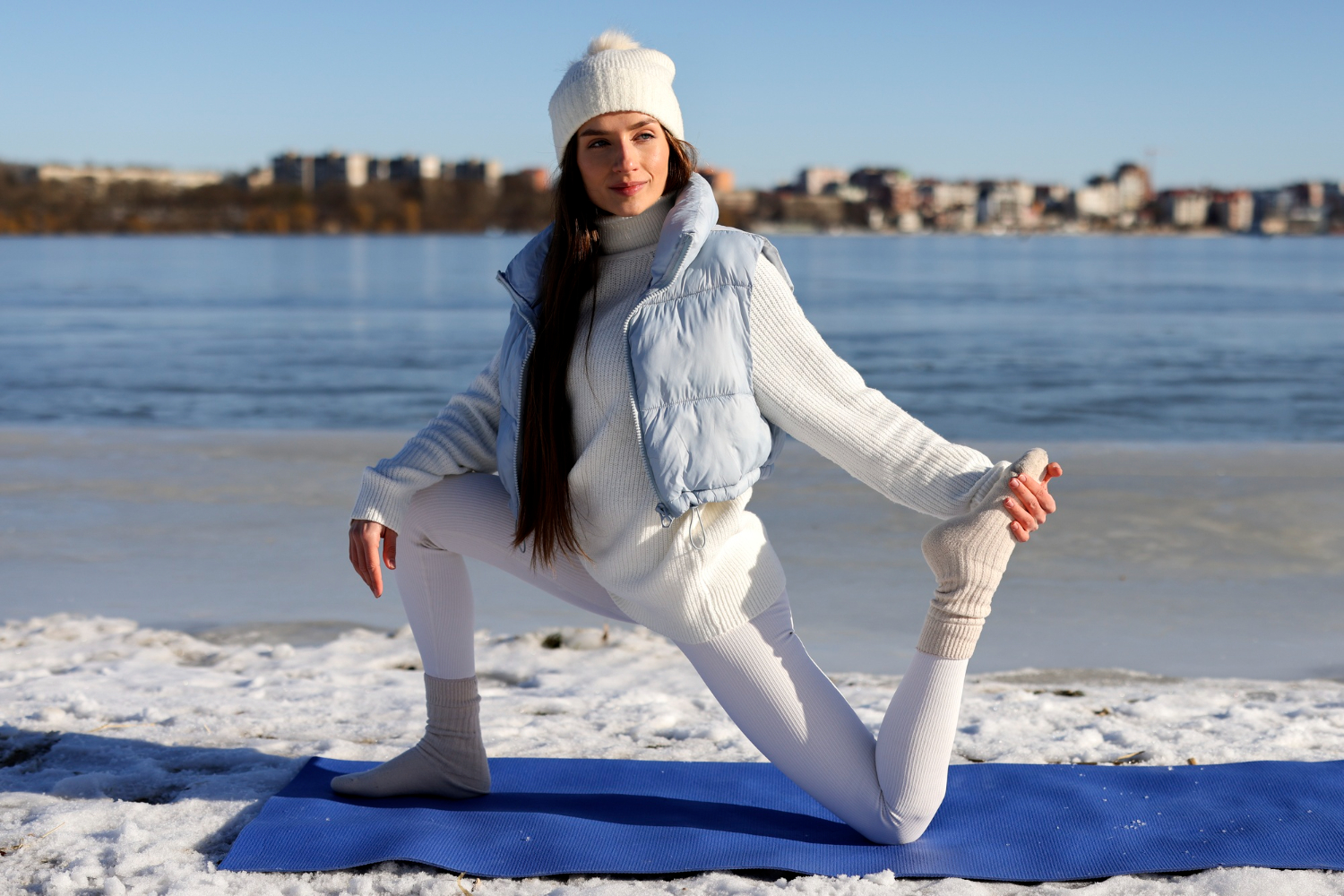
You can wear Layer Activewear in layers to stay warm and dry. This helps you feel comfortable when you exercise in cold weather. Moisture-wicking fabrics in Layer Activewear move sweat away from your skin. Insulation holds heat so you stay cozy. The three-layer system of Layer Activewear works for most people. It helps you change your clothes if the weather changes. Many people do not exercise outside in winter. Only 9.9% of people do it. Layering with Layer Activewear makes it easier for anyone to try. You can use this simple way and enjoy your workout. You will not feel cold.
Key Takeaways
Wearing layers of activewear keeps you warm and dry when it is cold outside. You should use three layers. The first layer pulls sweat away from your skin. The middle layer keeps you warm. The last layer protects you from wind and rain. Pick the right materials for each layer. Polyester and merino wool are good for the first layer. Fleece and synthetic fill are good for the middle layer. Change your layers if the weather changes. Dress like it is 10 to 20 degrees warmer than it really is. This helps you feel comfortable. Remember to wear gloves, hats, and neck gaiters. These keep your hands, head, and neck warm and safe.
Layer Activewear: The Three-Layer System
Layer Activewear uses three layers to keep you warm and dry. You can change each layer for your workout and the weather. Each layer has a special job to help you.
Base Layer: Moisture Management
The base layer is the first thing you wear. Its job is to move sweat away from your skin. When you work out, you get hot and start to sweat. If sweat stays on your skin, you can get cold fast. The base layer pulls sweat away so you stay dry.
Tip: Pick a base layer that fits close but is not tight. This helps it move sweat better.
Studies show the best base layers use polyester. These materials move sweat away fast and dry quickly. Breathability is important too. Air should flow so you do not get too hot.
Here is what the base layer does for you:
Function |
Description |
|---|---|
Temperature Regulation |
Helps keep you warm in cold weather. |
Moisture Wicking |
Pulls sweat away from your skin to keep you dry. |
Breathability |
Lets air move to stop overheating. |
Lightweight Comfort |
Keeps you warm without feeling heavy. |
Layer Activewear base layers use these features to help you. You can pick polyester, wool, or blends for the best results.
Mid Layer: Insulation
The mid layer goes over your base layer. Its job is to trap heat and keep you warm. You need this layer when it gets cold outside. The mid layer holds your body heat close so you do not lose warmth.
A mid layer is important for trapping heat and giving insulation.
Many mid layers use panels that let moisture out so you do not get sweaty.
You have many choices for mid layer materials. Polyester fleece dries fast and moves sweat away. Merino wool is soft and warm but gets heavy when wet. Goose down is very warm and light but works best when it is dry. Synthetic fill is good for wet and cold weather.
Here is a table to compare mid layer options:
Material |
Weight-to-warmth |
Compressibility |
Water Absorption |
Warmth when wet |
Durability |
Moisture-Wicking |
Drying Time |
Price |
|---|---|---|---|---|---|---|---|---|
Polyester Fleece |
Decent |
Decent |
Excellent |
Good |
Good |
Excellent |
Excellent |
Inexpensive |
Merino Wool |
Poor |
Poor |
Decent |
Good |
Decent |
Good |
Decent |
Expensive |
Goose Down |
Excellent |
Excellent |
Good (treated) |
Poor |
Excellent |
Varies |
Decent |
Very Expensive |
Synthetic Fill |
Good |
Good |
Excellent |
Good |
Decent |
Varies |
Good |
Inexpensive |
Layer Activewear mid layers keep you warm without feeling heavy. You can pick the best material for your workout and the weather.
Outer Layer: Weather Protection
The outer layer protects you from wind, rain, and snow. You need this layer to block cold air and water. The outer layer keeps you dry and lets sweat escape.
Note: Look for jackets with vents or breathable fabrics. This helps you stay comfortable when you work hard.
Outer layers use special fabrics to balance breathability and protection. Laminated membranes block water but let vapor out. DWR-coated fabrics make water roll off. Hybrid waterproof-breathable fabrics stretch and keep you dry.
Here is a table with some top outer layer fabrics:
Fabric Type |
How it Works |
Best For |
|---|---|---|
Laminated Membranes |
Blocks water, lets vapor escape |
Mountaineering jackets |
DWR-Coated Fabrics |
Water rolls off easily |
Windbreakers, hiking pants |
Hybrid WPB Fabrics |
Stretchy and waterproof |
Trail-running, climbing shells |
Layer Activewear outer layers protect you from bad weather. You can pick the right shell for running, hiking, or skiing.
Remember: You can exercise safely in cold weather with Layer Activewear. The three-layer system helps you stay warm, dry, and comfortable so you can enjoy your workout outside.
Best Materials for Layer Activewear
Choosing the right materials makes a big difference when you layer activewear for cold weather. Each layer works best with certain fabrics. Let’s look at what you should wear for each part.
Moisture-Wicking Fabrics
You want your base layer to pull sweat away from your skin. This keeps you dry and warm. Polyester and merino wool are two of the most popular choices. Polyester dries fast and feels light. Merino wool can absorb up to 30% of its weight in moisture but still feels dry. It also helps control odor and keeps you comfortable in both cold and warm weather.
Bamboo fabric is another great option for base layers. Here’s why many people like bamboo:
It lasts longer than merino wool.
It feels softer and less itchy.
It wicks sweat very well, which is perfect for tough workouts.
It often fits close to your body, which helps trap warmth.
It resists odor and costs less than merino wool.
Check out this table to compare popular base layer fabrics:
Fabric Type |
Moisture-Wicking |
Breathability |
Comfort |
Odor Control |
Cost |
|---|---|---|---|---|---|
Merino Wool |
Excellent |
Excellent |
Good |
Excellent |
High |
Polyester |
Excellent |
Good |
Good |
Good |
Moderate |
Bamboo |
Excellent |
Good |
Excellent |
Good |
Low |
Insulating Options
The mid layer keeps you warm by trapping heat. Fleece, synthetic insulation, and wool work well here. Fleece feels light and dries quickly. Synthetic insulation keeps you warm even if it gets wet. Wool gives good warmth and helps control temperature.
Outdoor experts say synthetic insulation is very warm and breathable. Fleece is great for breathability but does not pack down small. Wool is warm but can be harder to wash. Down is super warm and packs small, but it loses warmth if it gets wet.
Tip: Look for mid layers with a loose weave. This traps air and boosts insulation without making you feel bulky.
Protective Shells
Your outer layer should block wind and rain. GORE-TEX WINDSTOPPER products are famous for being windproof, breathable, and water-resistant. Some jackets, like the Ortovox Merino Windbreaker, mix merino wool and polyamide for extra wind resistance. The Enlightened Equipment Copperfield Wind Shirt blocks wind even better and helps you stay warm when you layer it.
When you pick your shell, make sure it lets sweat escape. This keeps you dry and comfortable during your workout.
Layer Activewear uses these smart fabric choices to help you stay warm, dry, and ready for any weather.
Essential Accessories for Cold Weather
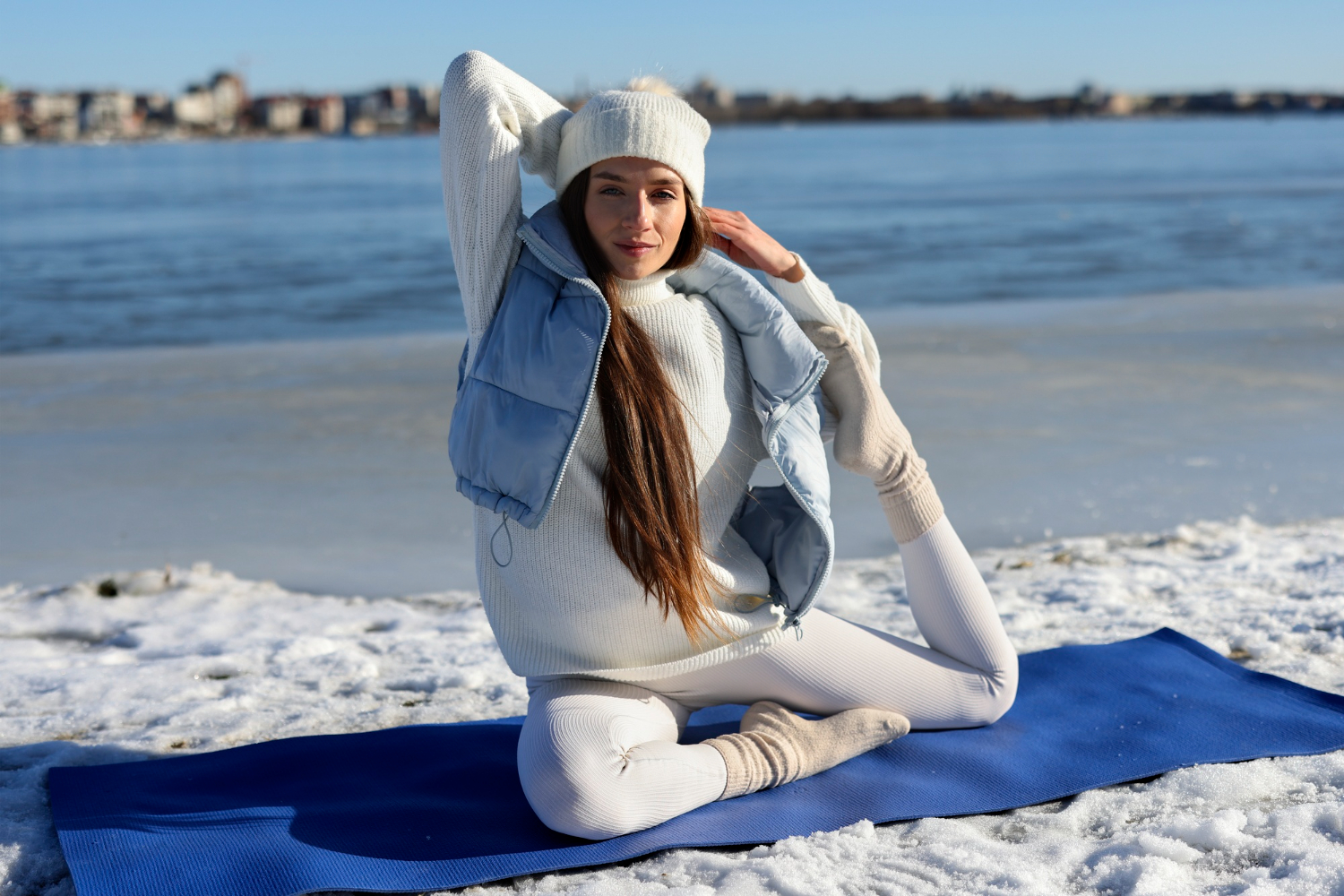
Tights and Leggings
You need tights or leggings that keep you warm but let your skin breathe. Good leggings help you move easily and stay comfortable. Look for features that make your workout better:
Feature |
Description |
|---|---|
Warmth |
Keeps your legs warm during cold weather activities. |
Breathability |
Stops sweat from building up and keeps you dry. |
Durability |
Handles rough trails and outdoor conditions. |
Comfort |
Lets you move freely and enjoy your workout. |
Fit |
Stays in place and does not distract you. |
Pockets |
Holds your keys or phone securely. |
Drawstrings |
Keeps leggings snug during active movement. |
Tip: Choose leggings with a snug fit and thermal lining for extra warmth.
Socks and Footwear
Your feet need special care in cold weather. The right socks keep your toes warm and dry. Avoid cotton socks because they soak up sweat and get cold fast. Try merino wool socks. They wick moisture, fight odor, and keep your feet cozy. Synthetic fibers like polyester and nylon dry quickly and work well in slushy conditions.
Merino wool blends (50-70%) offer the best warmth and moisture control.
Tall socks or running gaiters help block cold air and snow.
Traction devices for shoes give you grip on icy paths.
Gloves and Handwear
Cold fingers can ruin your workout. You want gloves that keep your hands warm but let you move easily. Some gloves have thick insulation for warmth, while others focus on dexterity.
Glove Model |
Warmth |
Dexterity |
Key Features |
|---|---|---|---|
Carhartt Waterproof Insulated Gloves |
High |
Low |
Thick insulation, great for warmth |
Tough Outdoors M3 Ski Mittens |
Very High |
Moderate |
Room for hand warmers |
Wells Lamont HydraHyde Leather Gloves |
Moderate |
High |
Versatile, budget-friendly |
Black Diamond Guide Gloves |
High |
Moderate |
Removable inner gloves |
Outdoor Research Sureshot Softshell |
Moderate |
High |
Lightweight, touchscreen-friendly |
Note: Mittens keep hands warmer than gloves, but gloves help you grip and move better.
Headwear and Neck Gaiters
You lose a lot of heat from your head and neck. Cover them to stay warm. Hats made from thermal fabric or merino wool trap heat and wick sweat. Neck gaiters protect your neck from wind and cold. Some athletes use heated fabrics for extreme cold.
Material |
Features |
Best For |
|---|---|---|
Thermal fleece |
Warm, sweat-wicking, wind-resistant |
High-intensity workouts |
Merino wool |
Insulates, fights odor, soft feel |
All outdoor activities |
Heated fabrics |
Extra warmth, battery-powered |
Extreme cold |
Try a Smartwool Merino 150 Neck Gaiter for warmth and durability.
Turtlefur Fleece Neck Warmer gives double-layer comfort.
TICONN synthetic gaiters work well if you want a budget option.
Remember: Cover your head, ears, and neck to keep your whole body warmer during winter workouts.
Adjust Layer Activewear for Temperature
When you step outside for a workout in cold weather, you need to adjust your layers based on the temperature. You want to feel comfortable, not too hot or too cold. Experts say you should dress for 10-20 degrees warmer than what the thermometer shows. This means you might feel a little chilly at first, but you will warm up quickly once you start moving. Let’s break down how you can layer for different cold weather conditions.
Mild Cold (40-55°F)
You might think you need heavy gear for mild cold, but you can keep it simple. Here’s how you can stay comfortable:
Start with a moisture-wicking base layer. This keeps sweat off your skin.
Add a light fleece or thin insulated vest as your mid layer.
Top it off with a waterproof, breathable jacket if it’s windy or rainy.
Avoid cotton. It gets wet and stays cold.
Try shorts and short sleeves if you run hot, but grab a running hat to keep water off your face when it rains.
Track how you feel after each workout. Adjust your layers next time if you get too hot or cold.
Tip: Aim to feel a little cool when you step outside. You’ll warm up fast once you start moving.
Here’s a quick guide for mild cold layering:
Weather Condition |
Base Layer Recommendations |
Middle Layer Recommendations |
Outer Layer Recommendations |
|---|---|---|---|
Cold Weather |
Moisture-wicking materials like merino wool or synthetic fibers |
Thermal mid-layer like fleece or insulated jacket |
Windproof and waterproof outer layer |
Rainy Weather |
Moisture-wicking base layer |
Light middle layer for comfort |
High-quality waterproof jacket with taped seams |
Moderate Cold (25-40°F)
When the temperature drops, you need more warmth but still want to move easily. You can use Layer Activewear to build a system that works for you.
Put on a fitted base layer made of synthetic or merino wool. This helps wick away sweat.
Choose a mid layer that traps heat but stretches with your movements. Fleece works well here.
Your outer layer should block wind and keep you dry. Pick a jacket that isn’t too tight so air can flow and help regulate your temperature.
Add light gloves and a hat if your hands and head get cold.
Here’s a table to help you plan your layers for moderate cold:
Temperature Range |
Base Layer |
Mid Layer |
Accessories |
|---|---|---|---|
30°F-50°F |
Moisture-wicking synthetic or merino wool |
Fleece or thin insulated vest |
Light gloves, hat optional |
Note: Your padded fleece jacket should be the warmest piece, but leave room for airflow. This helps you avoid overheating.
Extreme Cold (Below 25°F)
Extreme cold calls for serious layering and smart sweat management. You want to stay warm, but you also need to keep sweat from making you cold.
Wear a moisture-wicking base layer to keep sweat off your skin.
Add an insulating middle layer, like thick fleece or synthetic fill, to trap heat.
Put on a windproof and breathable outer layer. This blocks cold air but lets sweat escape.
Use a warm hat made of merino wool or fleece to keep heat in.
Choose warm gloves or specialized running gloves to protect your hands.
Make sure your outer layer breathes well. If sweat builds up, you can get cold fast.
Tip: In extreme cold, sweat management is key. If you feel sweaty, unzip your jacket or remove a layer for a few minutes. This helps you stay dry and warm.
Here’s a checklist for sweat management in extreme cold:
Pick breathable fabrics for every layer.
Adjust your layers during your workout if you start sweating.
Avoid cotton. It traps moisture and makes you cold.
Cover your head and hands to keep heat in.
You can use Layer Activewear to build a system that works for any temperature. Adjust your layers, listen to your body, and enjoy your workout—even when it’s freezing outside!
Tips for Adding or Removing Layers
You want to stay comfortable during your workout. Here are some simple tips to help you adjust your layers:
Start with a moisture-wicking base layer. This keeps you dry and comfortable.
Add breathable tops and lightweight jackets for warmth without feeling bulky.
For intense workouts, try compression layers for extra support.
Avoid piling on too many layers. Too much can trap heat and make it hard to move.
Pick synthetic fabrics instead of cotton. They handle sweat better and dry faster.
Professional athletes often wear snug base layers with looser outer layers. This combo lets you move freely and keeps you comfortable. Quick-drying fabrics and adjustable waistbands help you adapt if the weather changes or your workout heats up.
Remember: If you feel too warm, unzip your jacket or take off a layer. If you get chilly, add a hat or gloves. Stay flexible and listen to your body!
Comfort and Performance Tips
Prevent Overheating
You want to stay warm, but not sweat too much. If you get too hot, you will feel tired and uncomfortable. The best way to stop this is to pick the right layers and change them as you move.
To stop overheating when wearing many activewear layers, start with a moisture-wicking base layer to keep you dry. Do not use cotton because it holds sweat. The mid-layer should give warmth but let you move easily. The outer layer needs to block wind and water. Change your layers if you move more or less. You need more warmth when you stand still or it is very cold. You need less when you are moving a lot.
If you feel hot, unzip your jacket or take off a layer. You can roll up your sleeves or take off your hat. Pay attention to how you feel and make changes before you sweat. This keeps you comfortable and helps you keep your energy.
Manage Bulk and Mobility
You want to move easily when you work out. Clothes that are too thick can slow you down and make you stiff. The trick is to pick layers that are light but still warm.
Layer Type |
Purpose |
Materials Used |
|---|---|---|
Inner moisture-wicking |
Keeps skin dry by wicking moisture away, preventing chill from sweat. |
Synthetic fabrics (polyester, spandex) |
Middle insulating |
Provides warmth without adding bulk; can serve as outer layer in mild weather. |
Fleece, synthetic blends |
Outer protection |
Shields from wind, rain, and snow; varies based on weather severity. |
Waterproof/breathable materials |
Start with a thin synthetic fabric to pull sweat away from your skin.
Add a warm layer made of fleece or synthetic fabric.
Put on a waterproof or water-resistant outer layer to block wind and rain.
You can bend, stretch, and run without feeling heavy. Try different layer choices to see what works best for you.
Pack Extra Layers
Weather can change quickly. You might begin your workout in sunshine and finish in snow. Packing extra layers helps you stay ready for anything.
Packing extra layers helps keep your body warm and safe during outdoor workouts in cold weather.
Layering lets you stay comfortable and safe when the weather changes.
Carrying an emergency blanket can help you if something unexpected happens.
You can keep a thin jacket or vest in your bag. A spare pair of gloves or a hat can help if it gets colder. If you get too warm, you can take off a layer. If you get cold, you have something extra to put on. Stay ready and enjoy your workout, no matter what the weather does!
You can layer your activewear using three simple steps. Start with a base layer that wicks sweat and keeps you dry. Add a mid layer to trap heat and stay warm. Finish with an outer layer that blocks wind and snow. Here’s a quick look:
Layer |
Best Materials |
|
|---|---|---|
Base |
Moves sweat away |
Synthetic, merino wool |
Mid |
Holds in warmth |
Fleece, down |
Outer |
Shields from weather |
Waterproof, breathable |
Try different combinations until you find what feels best. You’ll stay comfortable and enjoy every cold weather workout!
FAQ
What is the best way to layer for a short outdoor workout?
You can wear a moisture-wicking shirt, a light fleece, and a windproof jacket. If you get too warm, take off the jacket. This combo keeps you dry and comfortable.
Can I use cotton as a base layer?
You should avoid cotton. Cotton holds sweat and makes you cold. Choose polyester, merino wool, or bamboo for your base layer. These fabrics keep you dry and warm.
How do I know if I need more layers?
Check how you feel after ten minutes outside. If you feel cold, add a layer. If you start sweating, remove one. Listen to your body and adjust as needed.
What accessories help most in cold weather workouts?
Accessory |
Benefit |
|---|---|
Gloves |
Warm hands |
Hat |
Keeps heat in |
Neck gaiter |
Blocks wind |
Wool socks |
Dry feet |
These extras help you stay warm and comfortable.


