

How to Prevent Chafing in Yoga Shorts: Top Tips
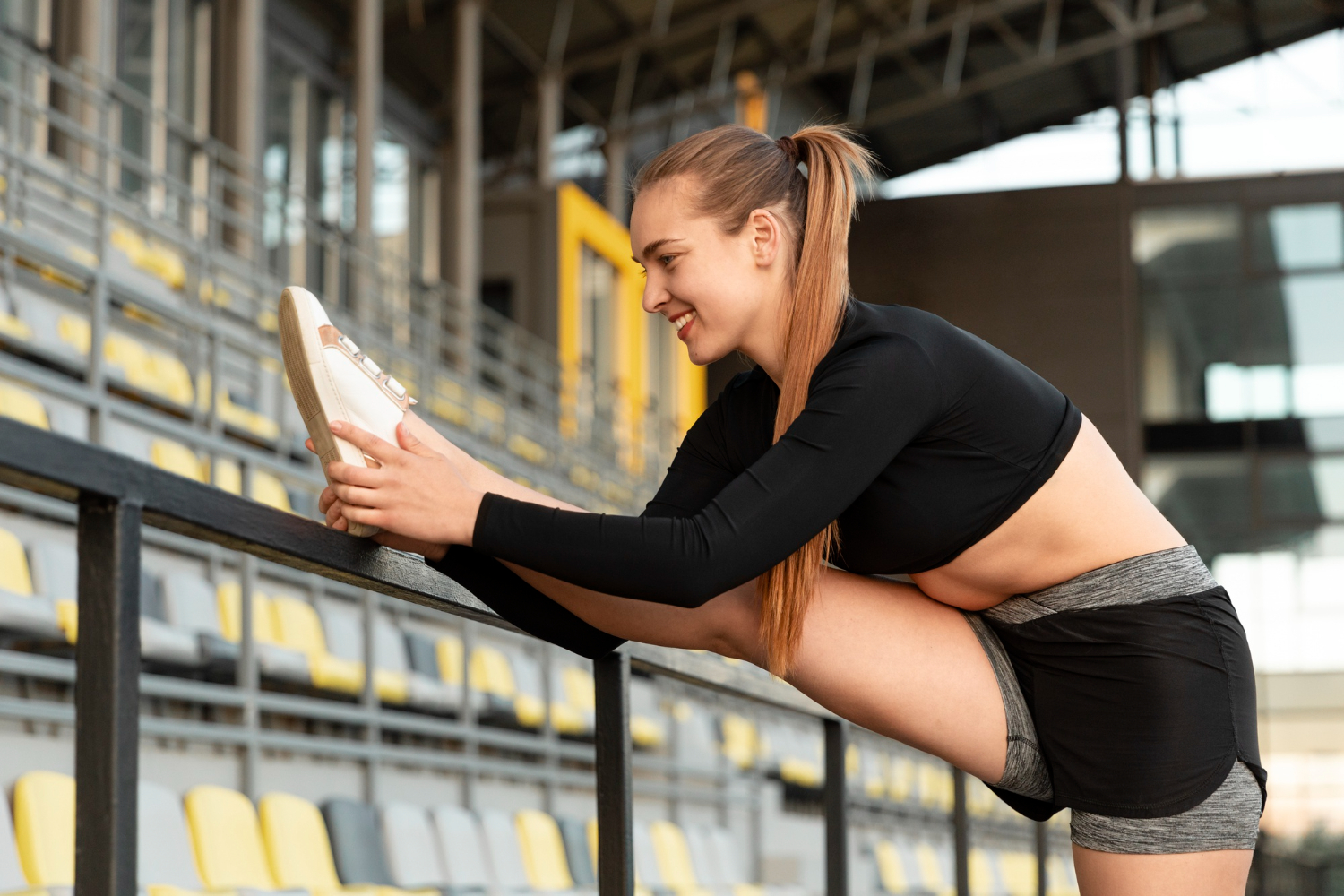
You know that uncomfortable feeling when your skin rubs the wrong way during yoga? You’re not alone. Chafing happens to lots of people, but you can prevent chafing with a few smart changes. Try these quick tips:
Pick yoga shorts that fit well and don’t bunch up.
Choose moisture-wicking fabrics to keep sweat away.
Use anti-chafing creams or balms for extra protection.
Key Takeaways
Pick yoga shorts with moisture-wicking fabric to keep sweat away and stop rubbing. - Wear shorts that fit you well; do not pick ones that are too loose or too tight, so your skin does not get rubbed. - Put anti-chafing products on spots that touch, like your inner thighs and underarms, before you exercise.
Why Chafing Happens
Friction and Sweat
You might notice chafing most when your skin rubs against itself or your yoga shorts. This friction gets worse with sweat, especially in hot or humid weather. Sweat makes your skin slippery, but it also softens it, so rubbing becomes more painful. Common spots for chafing include your inner thighs, groin, butt, armpits, and even under your breasts.
Tip: Staying cool and dry can help you prevent chafing during your workout.
Hot weather
Humidity
Sweat
Sensitive skin
Large muscles
Extra body weight
Fabric and Fit
The type of fabric and the way your yoga shorts fit play a big role. Cotton holds onto moisture, so it stays wet and increases friction. Synthetic fabrics like polyester and elastane work better because they wick sweat away and dry fast. Shorts that are too loose or too short can move around a lot, causing more rubbing. If your shorts have rough seams, you might feel even more irritation.
Friction from skin-on-skin or clothing-on-skin contact
Moisture from sweat or wet clothing
Ill-fitting clothing and inappropriate fabric types
Choosing moisture-wicking fabrics and the right fit helps you stay comfortable and avoid chafing.
Skin Sensitivity
Some people have skin that reacts quickly to friction or sweat. If you have sensitive skin, you might get red bumps, rashes, or even acne from tight clothing. Exercise can make these problems worse, especially if sweat gets trapped. Here are some skin issues that can show up:
Skin Condition |
Description |
|---|---|
Acne Mechanica |
Breakouts from friction and trapped sweat under tight clothing. |
Body Acne |
Pimples from sweaty clothes staying on your skin too long. |
Folliculitis |
Inflamed hair follicles caused by moisture and rubbing. |
Heat Rash |
Itchy, red bumps from blocked sweat ducts in tight areas. |
Contact Dermatitis |
Redness and itching from allergic reactions to fabrics or detergents. |
If you know your skin is sensitive, take extra steps to prevent chafing and keep your skin healthy.
Choose the Right Yoga Shorts
Best Fabrics
Picking the right fabric makes a huge difference when you want to prevent chafing. You should look for yoga shorts made from moisture-wicking materials like polyester blends or technical fabrics. These fabrics pull sweat away from your skin and help you stay dry. Cotton feels soft, but it holds moisture and can make chafing worse. If you sweat a lot, synthetic fabrics will keep you cooler and more comfortable.
Tip: Moisture-wicking shorts dry quickly and help you avoid that sticky feeling during your workout.
Proper Fit and Inseam
Fit matters just as much as fabric. Loose shorts can bunch up and rub against your skin. Tight shorts might dig in and cause irritation. You want shorts that hug your body without squeezing too much. The inseam length also plays a big role. Shorts with a 5-inch or longer inseam give your thighs more coverage and reduce friction. Check out this table for quick tips:
Feature |
Recommendation |
|---|---|
Material |
Polyester blends, technical fabrics |
Inseam Length |
5-inch or longer for better thigh protection |
Design |
Seamless options to minimize friction |
Seamless Options
Seamless yoga shorts can help you prevent chafing even more. These shorts have no rough seams, so the fabric lays flat against your skin. You won’t feel any scratchy edges or bumps. Seamless designs work well for high-intensity workouts and for people with sensitive skin. You’ll notice less irritation and more comfort, especially during long yoga sessions.
If you want to stay focused on your practice, seamless shorts are a smart choice.
Use Anti-Chafing Products
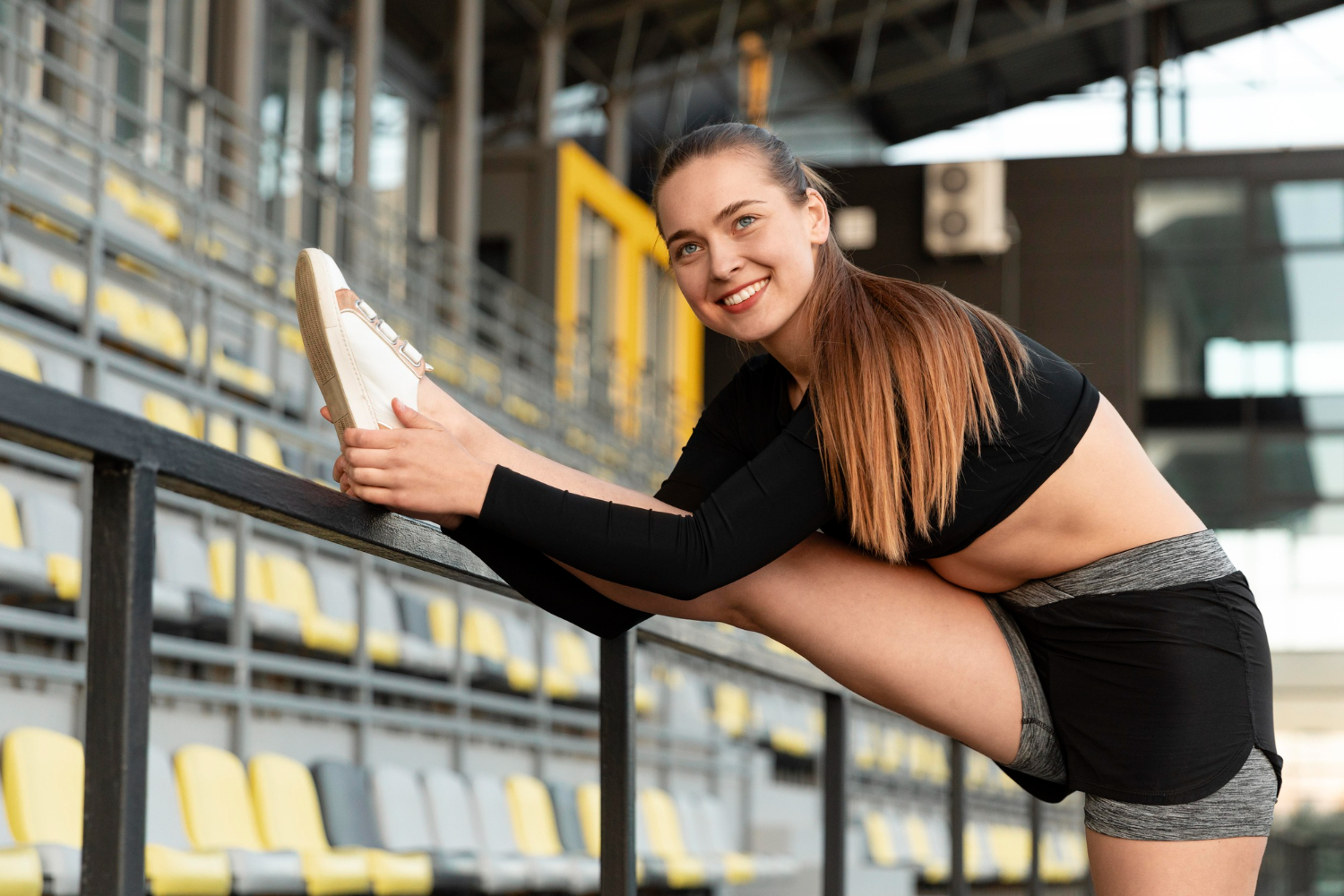
Prevent Chafing with Barriers
You can stop chafing before it starts by using barrier products. These create a smooth layer on your skin, so your yoga shorts glide instead of rub. Many athletes trust products like Body Glide, Vaseline, Aquaphor, and Gold Bond Friction Defense. These work well because they coat your skin and keep moisture out. Some formulas use waxes and oils for a long-lasting slip, while others use silicone or zinc oxide to reduce friction and soothe irritation.
Here’s a quick look at how different types of anti-chafing products work:
Type of Product |
Mechanism of Action |
|---|---|
Waxes and oils |
Coat the skin and create long-lasting slip. |
Petroleum-based products |
Seal moisture out and soothe irritation. |
Silicone-based formulas |
Reduce friction without feeling greasy or heavy. |
Zinc oxide |
Creates a breathable, protective film and soothes chafe. |
You have lots of choices when you want to prevent chafing. Some products come as sticks, gels, or balms. You can even use regular deodorant in a pinch. If you want to see what’s popular among yoga fans, check out this table:
Product Name |
Description |
Price |
|
|---|---|---|---|
Chafing Relief Powder Gel |
Prevents and relieves chafing |
$6.48 |
|
Whole Body Deo Anti-Chafe Deodorant Stick |
Best for odor-control |
$9.25 |
|
Healing Balm Stick |
Recommended for runners |
$10.47 |
|
Thigh Rescue Anti-Chafe Stick |
Editor and expert favorite |
$14.00 |
|
Chafe Cushion |
Best new launch |
$20.00 |

Tip: Try a few different products to see which one feels best on your skin and works with your yoga shorts.
Application Tips
You want to get the most out of your anti-chafing products. The way you use them matters. Here are some easy steps to follow before your yoga session:
Pick moisture-wicking, breathable yoga shorts. These help keep your skin dry and reduce friction.
Apply your chosen anti-chafing balm, stick, or cream to spots that rub—like your inner thighs, groin, or underarms. Make sure you cover the area evenly.
Change out of wet clothes as soon as you finish your workout. Staying in sweaty shorts can make chafing worse.
Wash and dry your skin gently after exercise. Pat your skin dry with a towel instead of rubbing.
You can use Body Glide for a non-sticky feel, Vaseline for a smooth layer, or Aquaphor for extra soothing. Gold Bond Friction Defense also works well and lasts all day. These products help you prevent chafing and keep your skin comfortable.
Note: Always test a small amount first if you have sensitive skin. Some products may cause irritation.
Natural Alternatives
If you prefer natural options, you still have ways to prevent chafing. Many people use coconut oil or shea butter. These oils create a barrier on your skin and help reduce friction. Some brands, like Blackbird Skincare, add tea tree oil for extra soothing and healing. You can find anti-chafe sticks with organic ingredients that work just as well as commercial products.
Coconut oil and shea butter form a protective layer.
Tea tree oil helps calm irritated skin.
Organic balms often smell nice and feel gentle.
You can try these natural alternatives if you want something simple and plant-based. They work for most skin types and help you stay comfortable during yoga.
If you want to prevent chafing without chemicals, natural oils and butters are a great choice.
Keep Skin Dry and Clean
Pre-Workout Prep
Getting ready for yoga starts before you even step on your mat. You want to set yourself up for comfort. Choose moisture-wicking, breathable fabrics for your yoga shorts and underwear. These materials pull sweat away from your skin and help you stay dry. You can also apply anti-chafing balms or creams to areas that rub, like your inner thighs or underarms. Make sure your clothes fit well so they don’t bunch up or slide around.
Wear close-fitting base layers made from technical fabrics.
Change out of wet clothes right after your workout.
Staying Dry
Sweat can make chafing worse, so keeping your skin dry is key. Drink water to stay hydrated, but wipe away sweat during your practice. A clean yoga mat helps too, since it keeps bacteria away from your skin. If you notice damp spots, use a towel to pat your skin dry.
The key to successful thigh chafe prevention is keeping damp, sweaty skin from touching while you walk and move. No friction, no chafe.
Wear moisture-wicking clothing to pull sweat away.
Stay hydrated for healthy skin.
Keep your yoga mat clean to avoid skin issues.
Hygiene Habits
Good hygiene helps you prevent chafing and keeps your skin healthy. Always wear clean underwear and shorts for every session. Dirty clothes can cause skin irritation, rashes, and discomfort. Wash your workout gear after each use so bacteria doesn’t build up.
Put on clean underwear before every workout.
Avoid wearing unwashed clothes.
Wash your yoga shorts and underwear after each session.
Taking these steps helps you stay cool, dry, and comfortable. You’ll focus more on your yoga and less on skin problems.
Quick Relief for Chafing
Immediate Care
You just finished yoga and noticed some chafing. What should you do first? Start by changing out of damp clothes right away. Clean the irritated area gently with water. Pat your skin dry—don’t rub. You can apply a thin layer of fragrance-free moisturizer or anti-chafing balm to spots that feel sore. Petroleum jelly works well for protecting and soothing your skin, especially on your inner thighs. If you have Body Glide or a similar chafing cream, use it to help reduce friction.
Tip: Moisture-wicking and breathable fabrics help prevent sweat from building up and making chafing worse.
Change out of sweaty clothes quickly
Rinse off sweat and gently clean the area
Use petroleum jelly or anti-chafing balm for protection
Healing Tips
Your skin needs time to heal after chafing. You can try some over-the-counter treatments to help speed up recovery. Here’s a quick look at what works best:
Treatment |
Description |
|---|---|
Talcum and Alum |
Wicks moisture away to keep skin dry |
Petroleum Jelly |
Reduces friction and protects sore spots |
Baby Powder |
Absorbs moisture and lowers skin-on-skin friction |
Cornstarch |
Works like baby powder to keep skin dry |
Natural remedies also help. Coconut oil, aloe vera, and olive oil soothe and moisturize irritated skin. An oatmeal bath calms inflamed areas. Vaseline is a classic choice for reducing friction and helping skin heal.
When to See a Doctor
Most chafing heals on its own, but sometimes you need extra help. Watch for signs like swelling, cracked or bleeding skin, blisters, or sores. If you see a red rash, feel burning or stinging, or notice symptoms that don’t improve after a few days, it’s time to talk to a healthcare professional. Infections can happen when germs enter damaged skin, so don’t ignore severe symptoms.
Swelling or broken skin
Bleeding or blisters
Red rash or burning
Symptoms that get worse or don’t heal
If you notice any of these signs, reach out to your doctor for advice.
You can feel good in yoga shorts if you do these things: First, wear shorts made from moisture-wicking fabric. Next, put on anti-chafing balm before you start. Change out of wet clothes as soon as you finish. Try wearing shorts with a longer inseam for more coverage.
Expert Tips |
Yoga Habits |
|---|---|
Pick fabrics that let your skin breathe |
Wear shorts that feel soft and comfy |
Use something slippery to stop rubbing |
Put on balms or creams to help your skin |
Good yoga shorts should not make your skin hurt. Use these ideas so you can have fun at every workout!
FAQ
What should you do if your yoga shorts still cause chafing?
Try switching to seamless, moisture-wicking shorts. You can also use anti-chafing balm. If chafing continues, talk to your doctor.
Can you wear underwear with yoga shorts to prevent chafing?
Yes, you can. Pick seamless, moisture-wicking underwear. This helps reduce friction and keeps your skin dry during yoga.
How often should you wash your yoga shorts to avoid skin problems?
Wash your yoga shorts after every workout. Clean clothes help prevent bacteria buildup and keep your skin healthy.


