

Can I wear socks during yoga practice or should I go barefoot?
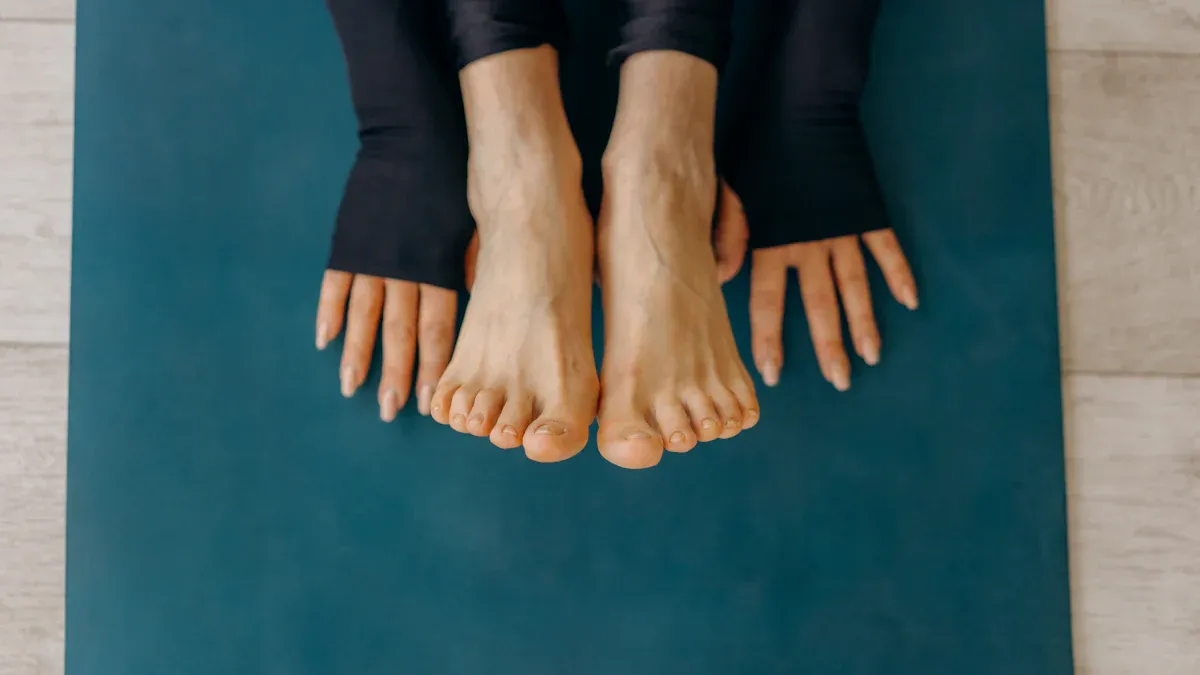
You may ask if you should wear socks during yoga or go barefoot. People have different opinions about this.
Around 64% of people wear socks during yoga to stay clean.
Almost 80% like being barefoot for better balance and control.
Wearing socks during yoga can help you feel steady, especially if you are new or the floor is slippery. Some people want socks for safety or more support. What matters most is your comfort and where you do yoga.
Key Takeaways
Socks can help your feet stay warm. They also give you more grip if the floor is cold or slippery. Bare feet let you feel the mat better. This can help you balance and stay steady in poses. Think about what feels best for you. Also, think about keeping your feet clean when you choose socks or bare feet for yoga.
Wear Socks During Yoga: Yes or No?
You might wonder if you should wear socks in yoga or just go barefoot. Both choices work, but the best option depends on your needs and the situation. Some people like to follow tradition and practice barefoot. Others want more comfort or safety, so they choose to wear socks in yoga. Let’s look at when each choice makes sense.
When to Wear Socks in Yoga
You may want to wear socks in yoga for many reasons. Sometimes, the floor feels cold, and socks help keep your feet warm. If you practice in a studio where many people walk barefoot, you might feel better about hygiene if you wear socks in yoga. Some people have sweaty feet, which can make them slip. Special yoga socks with grips can help you stay steady.
Tip: If you try hot yoga, you might notice your feet get slippery. Wearing socks in yoga with grips can help you hold your poses.
Yoga instructors and experts often suggest wearing socks in yoga when:
The room feels cold and you want to stay warm.
You worry about germs or want to keep your feet clean.
You have sweaty feet and need extra grip.
You use yoga socks made for better balance and safety.
You feel more comfortable or confident with socks on.
You can always wear socks in yoga if it helps you focus or feel safe. Just make sure you pick socks with grips so you do not slip.
When Barefoot Is Better
Going barefoot in yoga is the traditional way. Many teachers say you should feel the mat with your feet. This helps you balance and connect with the ground. If you practice poses that need strong foot placement, like tree pose or warrior, you may find it easier without socks.
Some studios ask you to go barefoot for safety and to keep the mats clean. Bare feet can help you move better and feel more stable. You might notice you can spread your toes and grip the mat, which helps with balance.
Note: If you do not have any foot problems and the studio is clean, barefoot yoga can help you feel more connected to your practice.
In the end, you get to choose. You can wear socks during yoga or go barefoot. Think about what feels best for you and what helps you enjoy your yoga practice.
Wear Socks During Yoga: Pros & Cons
Grip and Stability
When you wear socks during yoga, you might worry about slipping. Regular socks can make your feet slide on the mat. This can feel unsafe, especially in poses where you need balance. Grip socks help solve this problem. They have rubber dots or patterns on the bottom. These grip socks give you better traction and help you stay steady. Many people use yoga socks or yoga grip socks for extra support. You can feel more confident in your poses and worry less about falling.
Hygiene and Comfort
Hygiene and comfort matter a lot in yoga. You share the studio with others, so hygiene concerns come up often. Grip socks act as a barrier between your feet and the mat. They protect you from sweat, dust, and bacteria. This makes you feel cleaner, especially if you practice in a busy studio. Some people wear socks during yoga to avoid touching the mat directly. Yoga socks also help keep your feet warm, which adds to your comfort. You might notice less foot fatigue when you use grip socks.
Tip: Many studios ask you to leave shoes outside to keep the space clean. You can also bring your own mat and clean it often to help with hygiene concerns.
Safety Concerns
Safety is important in every yoga class. If you use regular socks, you risk slipping and hurting yourself. Grip socks lower this risk by sticking to the mat. They help you hold poses longer and move with more control. Yoga socks with grips support your posture and make you feel safer. If you have sweaty feet or worry about hygiene concerns, grip socks are a smart choice. They let you focus on your yoga practice instead of worrying about slipping or germs.
Barefoot Yoga: Pros & Cons
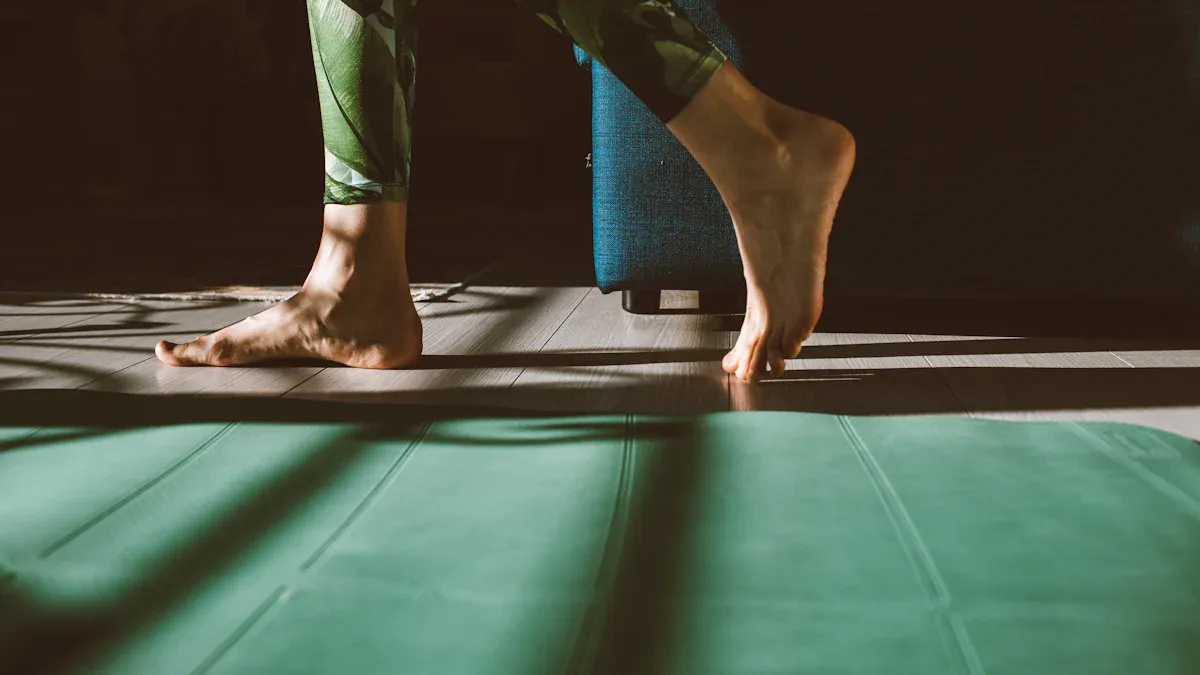
Connection and Grounding
When you practice yoga barefoot, you feel the mat under your feet. This helps you connect with your body and the ground. Many people say they feel more balanced and steady without shoes or socks. You can spread your toes and grip the mat. This makes it easier to hold poses and move with control.
Tip: Try standing in mountain pose without socks. Notice how your feet press into the mat. You might feel more stable and aware of your body.
Tradition and Culture
Yoga started thousands of years ago. People practiced barefoot to honor tradition and respect the space. Many studios still ask you to remove shoes and yoga socks before class. This keeps the area clean and helps everyone feel equal. Practicing barefoot can make you feel part of a bigger yoga community.
Foot Health
Going barefoot in yoga can make your feet stronger. Your muscles work harder when you do not wear socks during yoga. Scientists found that barefoot training increases muscle volume and strength in your feet. You also improve your balance and posture. Here is a quick look at what studies show:
Findings |
Description |
|---|---|
Muscle Volume Increase |
Barefoot training grows foot muscles. |
Strength Improvements |
Your toes and joints get stronger. |
Functional Gains |
Balance and stability improve, helping you move better. |
Barefoot yoga has some risks. If you have diabetes, flat feet, or misaligned feet, you might feel pain or get hurt. You could also get cuts or bruises on hard floors. Some people choose yoga socks for extra protection.
Benefits |
Drawbacks |
|---|---|
Strengthens foot muscles |
Can make foot problems worse |
Might cause pain during practice |
|
Enhances body awareness |
Risk of cuts or bruises on hard surfaces |
You can try both barefoot and yoga socks to see what feels best for your feet and your yoga practice.
Types of Yoga Socks
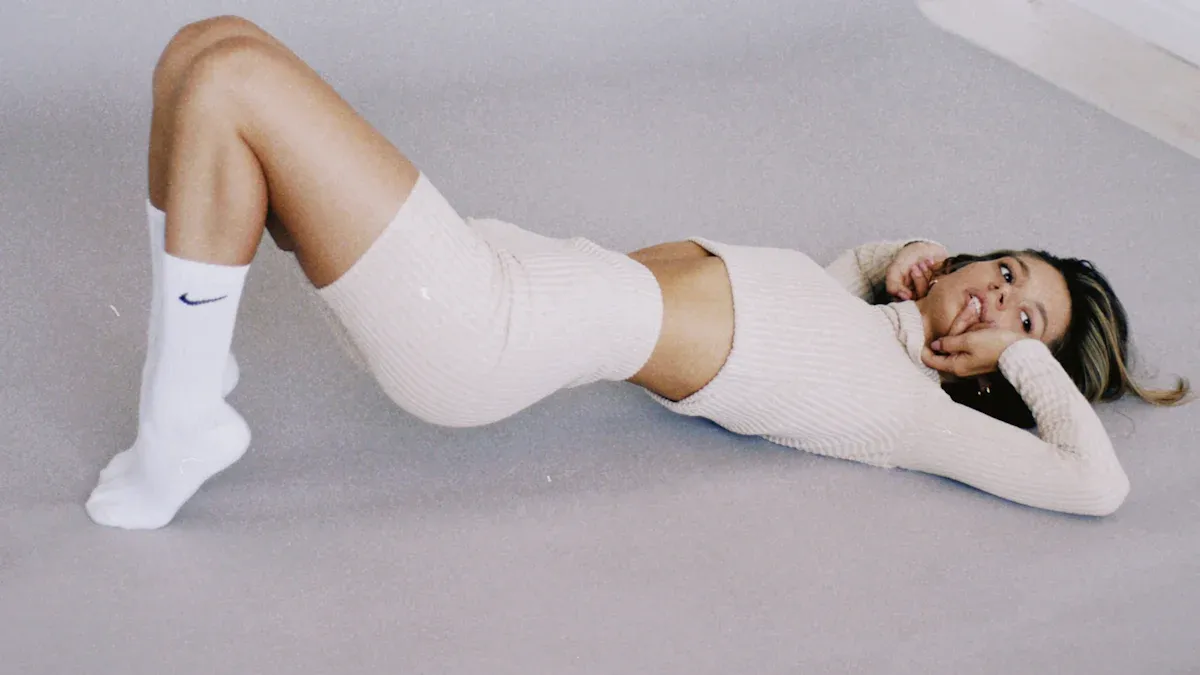
You might want to know about yoga socks you can use. There are many kinds. Each type helps with safety, comfort, or how well you do yoga.
Grip Socks
Many people like grip socks for yoga. These socks have rubber or silicone dots on the bottom. The dots help you stay steady on your mat. You will not slip as much, even if you move fast or try new poses. Grip socks give you more confidence. Some grip socks cover your whole foot. Others let your toes stick out. You can find long grip socks that keep your ankles warm. Heel socks cover your heel but let your toes breathe. Brands like Lululemon and Alo Yoga make grip socks with arch support and strong soles. These things help you do better in yoga and feel more comfortable. Grip socks also keep your feet clean in studios where many people practice.
Tip: Grip socks are good for beginners or anyone who wants more balance. You can pay attention to yoga and not worry about slipping.
Here is a quick chart about different yoga socks:
Type of Yoga Sock |
Features |
Benefits |
|---|---|---|
Grip Socks |
Rubber bottoms, below the ankle |
Good grip and balance in many poses |
Heel Socks |
Open toes, covers heel |
Lets air in and keeps grip |
Long Yoga Socks |
Goes past the ankle, keeps warm |
Soft and warm, nice for beginners |
Full-Toe Yoga Socks |
Covers all toes and foot |
Warmest and most secure |
Grip-Enhanced Yoga Socks |
Extra grip on the bottom |
Best grip for slippery mats |
Regular Socks vs. Yoga Socks
You might think regular socks are fine for yoga. But they can slip on the mat. Yoga socks use rubber or silicone for grip. They keep your feet safe from germs and give extra padding for comfort. Yoga socks are made from cotton or bamboo blends, so your feet stay cool. Regular socks do not have these things, so they do not work as well for yoga.
Feature |
Yoga Socks |
Regular Socks |
|---|---|---|
Grip |
Non-slip, rubber or silicone |
Smooth, less grip |
Hygiene |
Shields feet from germs |
No extra protection |
Comfort |
Extra cushioning |
Standard comfort |
Material |
Breathable cotton, bamboo blends |
Often less breathable |
Yoga socks help you feel safe and balanced. You can enjoy yoga and focus on your moves.
Choosing What’s Right for You
Studio Environment
When you walk into a yoga studio, you notice if it is cold or warm. You also see if the floor is clean or dirty. If the room is cold or the floor looks dirty, socks can help. Socks keep your feet warm and protect them from dirt. In a warm studio, going barefoot can help you grip the mat better. Bare feet can make you feel steady and safe. Here is a table that shows how the studio can affect your choice:
Factor |
Socks |
Barefoot |
|---|---|---|
Hygiene |
Stops dirt and germs from touching feet |
Feet touch the floor directly |
Warmth |
Keeps feet warm in cold rooms |
Feet feel the room’s temperature |
Grip |
Sometimes makes you slip in poses |
Helps you grip and stay steady |
Stability |
Might make it hard to balance |
Gives you a strong base |
Alignment |
Can make it harder to feel your feet |
Helps you notice your foot position |
You can think about these things too:
Socks are good for cold studios.
Socks keep your feet clean if many people use the space.
Bare feet help you feel the mat and balance better.
Health and Comfort Needs
Your health is important when you do yoga. If you have diabetes or foot problems, you must protect your feet. Some people with health issues should not go barefoot. Yoga socks or socks that keep your feet dry and warm can help.
"People with diabetes should never go barefoot, even at home. Diabetic neuropathy can make you lose feeling in your feet. Diabetics must always protect their feet. They cannot go barefoot or just wear stockings."
If your feet get cold, pick socks made from wool or fleece. Make sure your socks fit well and do not squeeze your toes.
Yoga Style Considerations
Different yoga styles need different choices. In hot yoga, socks can stop your feet from slipping when you sweat. For Ashtanga or Vinyasa, going barefoot helps you place your feet right and stay balanced. If you like gentle or restorative yoga, socks can make you more comfortable.
Yoga teachers want you to feel safe and happy. You can talk to your teacher about what you need. Most teachers want you to share your needs before class starts. This helps everyone enjoy yoga more.
You get to choose what works best for your yoga practice. Some people like the grip and warmth of socks, while others enjoy the balance and feel of going barefoot. Try both and see what helps you feel safe, comfortable, and confident. Your personal needs matter most.
Socks can keep your feet warm and prevent slipping.
Bare feet help you connect with the mat and improve balance.
Many users say socks or sandals help with pain and alignment.
Hygiene and comfort play a big role in your decision.
No matter what you pick, your choice is valid. Enjoy your yoga journey!
FAQ
Can you wear socks in every yoga class?
You can wear socks in most yoga class settings. Some yoga class instructors prefer barefoot practice. Always check with your yoga class teacher before you join a yoga class.
Do yoga class studios require bare feet?
Many yoga class studios ask you to go barefoot. Some yoga class studios allow socks, especially grip socks. Ask your yoga class instructor about their rules before your yoga class starts.
Will socks affect your balance in yoga class?
Regular socks can make you slip in yoga class. Grip socks help you stay steady during yoga class. Bare feet give you the best balance in yoga class.
Tip: Try both socks and bare feet in yoga class to see what feels best for you.


