

How to Pick Plus Size Sports Bras Without Sizing Up Wrong
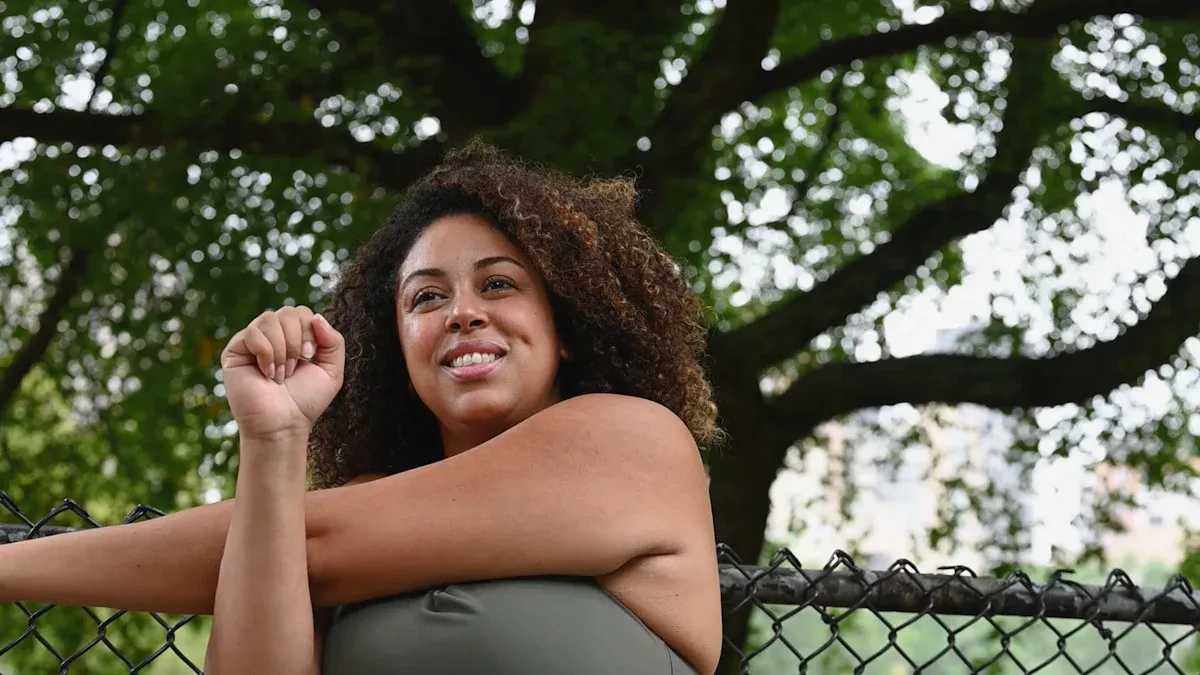
You might think grabbing a bigger size solves sports bra struggles, but that often leads to more problems. When Plus Size Sports Bras don’t fit right, you can feel chest tightness, shoulder pain, or even skin irritation. A proper fit boosts comfort, support, and keeps you moving confidently—no matter your activity.
Key Takeaways
Always check your band and bust size before you buy a sports bra. This helps you get the right fit and keeps you comfortable when you work out.
Look for important things like a tight band, full cups, and strong straps. These parts help you feel good and stop pain when you exercise.
Get new sports bras every 6 to 8 months. If the band is loose, the cups are wrinkled, or the straps slip, it is time for a new one. Fresh bras give you good support.
Why Sizing Up Fails
Common Sizing Mistakes
You might think grabbing a bigger size is the answer when your sports bra feels tight. But this is one of the most common mistakes people make with Plus Size Sports Bras. Sizing up can actually create more problems than it solves. Here are some mistakes you might run into:
Picking a larger size without checking the band or cup fit.
Using the same sports bra for every workout, no matter the intensity.
Thinking you do not need a sports bra if you have a smaller bust.
Wearing the same sports bra for too long without replacing it.
Choosing a bra based on guesswork instead of measuring.
Tip: Always measure your band and bust before buying a new sports bra. This helps you avoid the guessing game.
Issues from Wrong Size
Wearing the wrong size sports bra can make your workout uncomfortable and even painful. When you size up, the band may feel loose, and the cups might not support you well. This can lead to:
Discomfort during exercise, including chafing and skin irritation.
Poor support, which lets your chest move too much and causes pain.
Straps digging into your shoulders or slipping off.
Neck, shoulder, and back pain from lack of support.
Deep grooves on your shoulders from thin or poorly designed straps.
Poor posture and even neural tension in your arms.
A loose fit means less support, while a tight fit can cause rubbing and soreness. Research shows that many women struggle to find the right fit on their own, which leads to these problems. The right Plus Size Sports Bras should feel snug but comfortable, giving you the support you need for any activity.
Measuring for Plus Size Sports Bras
Getting the right fit for Plus Size Sports Bras starts with knowing your true size. You do not need fancy equipment or a trip to a store. You can measure yourself at home with a few simple tools and a little patience.
Band and Bust Measurement
You want your sports bra to feel snug but not tight. The best way to get there is by measuring your band and bust. Here’s how you can do it:
Grab a soft measuring tape. If you do not have one, use a piece of string and a ruler.
Wear a non-padded bra and a fitted t-shirt. This helps you get the most accurate numbers.
Stand in front of a mirror. This lets you check that the tape stays straight and flat.
-
Measure your band size:
Wrap the tape around your ribcage, just under your bust.
Keep the tape parallel to the ground and snug, but not too tight.
If you get an even number, that’s your band size. If it’s odd, round up to the next even number.
-
Measure your bust size:
Move the tape up to the fullest part of your bust.
Make sure the tape is level and not squeezing you.
Write down both numbers.
Tip: For extra accuracy, measure around your chest just under your arms and above your bust, then again just beneath your breasts. This helps you double-check your band size.
Now, let’s figure out your cup size. Take your bust measurement and subtract your band measurement. The difference tells you your cup size. Here’s a quick chart to help:
Difference (inches) |
Cup Size |
|---|---|
1 |
A |
2 |
B |
3 |
C |
4 |
D |
5 |
DD/E |
6 |
DDD/F |
So, if your bust is 46 inches and your band is 42 inches, the difference is 4. That means you need a D cup.
Using Size Calculators
You do not have to do all the math yourself. Many brands and websites offer easy-to-use bra size calculators. These tools help you find your best fit for Plus Size Sports Bras without any guesswork.
You can use a soft measuring tape or even a string and ruler if you do not have a tape.
Some calculators ask for three quick measurements: under your bust, over your bust, and at the fullest part of your bust.
Sites like Calculator.net and Title Nine have online tools that walk you through the process.
Knix even offers a fitting service you can do at home.
Note: Always double-check your measurements before using a calculator. Wearing a non-padded bra and standing up straight helps you get the most accurate results.
Finding the right size for Plus Size Sports Bras makes a huge difference in comfort and support. When you measure yourself and use these tools, you set yourself up for a better workout and a more confident day.
Key Fit Features in Plus Size Sports Bras
When you shop for Plus Size Sports Bras, you want more than just a bigger size. The right features make all the difference in comfort, support, and how long your bra lasts. Let’s break down what to look for so you can feel confident and supported every time you move.
Here’s a quick look at what sets high-quality sports bras apart:
Feature |
Description |
|---|---|
Fit |
Feels comfortable without digging in or slipping. Watch for pinching or spillage. |
Support |
Holds you in place and reduces bounce during any workout. |
Comfort |
Uses breathable fabric and the right amount of compression to stop chafing. |
Adjustability |
Lets you change straps and bands for a custom fit. |
Quality |
Made with strong materials that last and keep their shape. |
Durability |
Stays supportive and keeps its shape after many washes and wears. |
Value |
Worth the price because it lasts and feels good. |
Snug Band and Two-Finger Test
The band is the real hero in Plus Size Sports Bras. It gives you most of the support, not the straps. You want the band to sit firmly against your ribcage. It should not ride up your back or feel loose. If the band feels too loose, try a smaller size. A snug band helps spread the weight of your chest evenly, which is super important for larger busts.
You might have heard about the two-finger test. Some people say you should be able to slip two fingers under the band. This test can help, but it does not always mean the bra fits right, especially if you have a bigger bust. Comfort matters most. Try this instead:
Put on the sports bra.
Slide one finger under the front of the band.
You should not be able to pull it more than an inch away from your chest.
If your bra has hooks, start with the loosest one. If you need the tightest hook for a snug fit, you probably need a smaller band.
Tip: If the band feels too tight or you cannot breathe easily, size up. If it feels loose or rides up, size down.
Full Cup and Wider Wings
Full cups and wide wings make a huge difference in how your sports bra feels and supports you. Full cups cover your whole bust, so you do not have to worry about spilling out or pinching. Wider wings, which are the parts that wrap around your sides and back, add extra support and comfort.
Wide wings help keep the bra stable and stop it from digging into your skin.
They spread out the pressure, so your shoulders do not have to do all the work.
You get a smoother look under your clothes, with fewer bulges or lines.
If you want a bra that feels good all day, look for one with a wide back and full cups. This design helps prevent discomfort and gives you a flattering shape.
Supportive Straps and Flat Center
Straps matter, but they should not do all the heavy lifting. You want straps that feel sturdy and do not dig into your shoulders. Wide, padded straps work best for bigger busts. They help spread out the weight and stop the straps from leaving marks.
Check the center of the bra, too. The part between the cups should lie flat against your chest. If it sticks out or floats, the cups might be too small or the band too loose. A flat center means the bra fits well and gives you the support you need.
Adjustable straps let you change the fit for your body.
Look for straps that do not slip off your shoulders when you move.
Underwire and Hook Fit
Some Plus Size Sports Bras have underwires for extra support. If you choose an underwire style, make sure the wire sits flat against your ribcage and does not poke or pinch. The wire should follow the shape of your breast and not dig into your skin.
Hooks on the back let you adjust the band as the bra stretches over time. Always start with the loosest hook. When you need a tighter fit, move to the next hook. If you reach the tightest hook and the band still feels loose, it is time for a new bra or a smaller band size.
Note: High-quality bras use strong hooks and wires that last longer and keep their shape.
When you focus on these key features, you get a sports bra that feels good, supports you, and stands up to lots of workouts. The right fit means you can move, stretch, and sweat without worry.
Testing Fit and Comfort
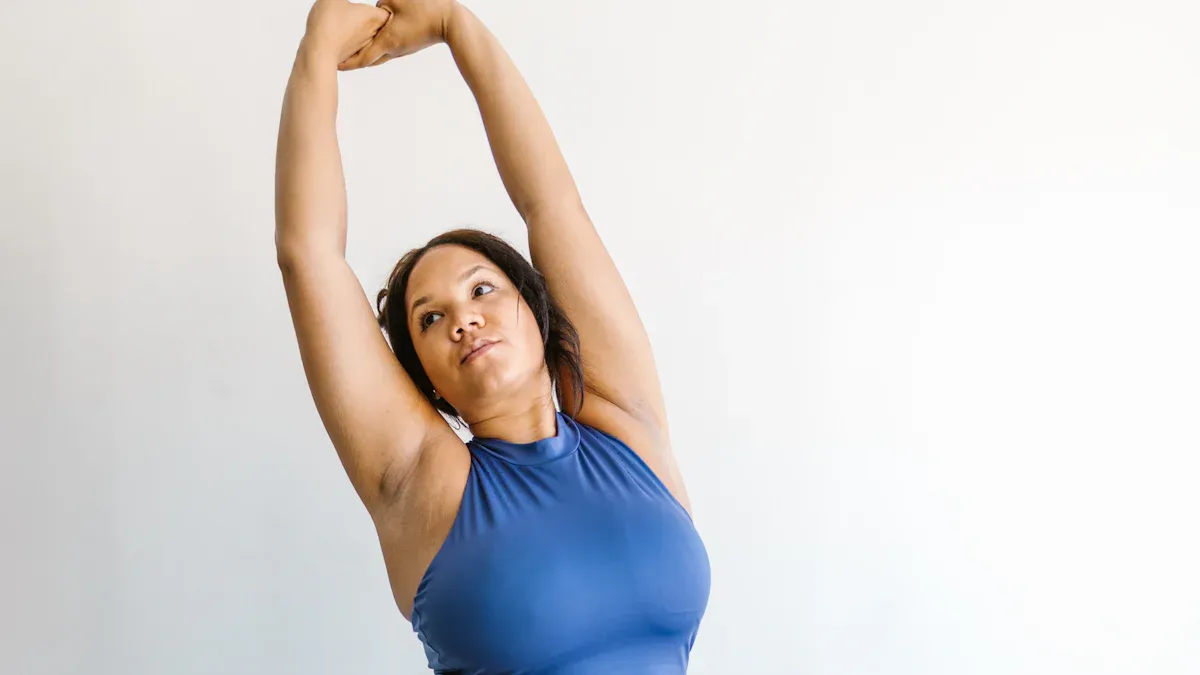
Move and Stretch Test
You want to make sure your sports bra works for real life, not just the fitting room. Try moving around in it. Jump, stretch, reach up, and twist your torso. If the cups fully cover your chest and nothing spills out, you are on the right track. A good fit means your breasts stay supported and you do not feel any bouncing or shifting. Walk or jog in place. If you feel secure, the bra passes the test.
Checking for Gaps and Chafing
Next, check for gaps or wrinkles in the cups. The fabric should sit smooth against your skin. If you see space or feel loose fabric, you might need a smaller cup size. Look at the band and straps. You should be able to slip two fingers under them, but they should not feel loose. The center of the bra should lie flat between your breasts. If you notice any rubbing or red marks, the bra might cause chafing during workouts. Choose styles with moisture-wicking fabric to help prevent this.
Trying Multiple Sizes and Styles
Do not settle for the first bra you try. Test a few different sizes and styles. Some people like compression bras for high-impact sports. Others prefer encapsulation bras with separate cups for each breast. You can also try combination bras for extra support. Each style feels different, so see what works best for your body and activity. Remember, Plus Size Sports Bras come in many shapes and fits. Take your time and find the one that feels just right.
Choosing by Activity Level
Low, Medium, and High Impact Support
Different workouts need different support. You should pick your sports bra based on what you do. Use this guide to help you choose:
Activity Level |
Recommended Sports Bra Type |
|---|---|
Low Impact |
Low impact sports bras (e.g., wireless) |
Medium Impact |
Medium support bras for jogging and cycling |
High Impact |
High support bras (e.g., underwire) for running |
Considerations |
Larger busts need more support regardless of activity |
If you do yoga or walk, a wireless bra is good. It feels soft and is easy to wear. For jogging or biking, pick a medium support bra. If you run or do hard workouts, you need a high-impact bra. These bras stop bouncing and help you feel comfortable.
High-impact bras have molded cups and thick bands.
Some have underwires for extra support.
They help you feel safe and keep you in place.
Many high-impact bras are made for comfort and easy use.
This is important for people with larger sizes.
Material and Breathability
The fabric of your bra matters a lot. Synthetic fabrics like nylon and polyester are best for keeping you cool and dry. These materials pull sweat away from your skin.
Material |
Properties |
Usage in Sports Bras |
|---|---|---|
Polyester Blends |
Hydrophobic, does not absorb water, often blended with spandex for stretch |
Excellent for moisture wicking |
Nylon |
Lightweight, durable, excellent moisture transfer |
Common in compression-style bras |
Merino Wool |
Naturally moisture-wicking, odor-resistant |
Eco-conscious option |
Mesh Panels |
Enhances breathability, allows air circulation |
Used in high-sweat areas |
Some bras use spandex so they can stretch. Others have mesh panels to let air in. Look for bras that mix these features. When you pick Plus Size Sports Bras with these materials, you get comfort and support. You also stay cool and dry during your workout.
Care Tips for Longevity
Washing and Drying
Taking care of your plus size sports bras helps them last longer and keeps them feeling good. You do not need fancy tools—just a few simple habits make a big difference.
Hand wash your bras or use the delicate cycle on your washing machine.
Always use a lingerie bag if you wash in the machine. This protects the fabric and elastic.
Skip the fabric softener. It can break down the fibers and make your bra lose its shape.
Wash your bra after sweaty workouts. This keeps it clean and helps the fabric stay strong.
Air dry your bras. Heat from dryers can damage the elastic and make the band loose.
Hang your bras by the center or lay them flat to dry. This keeps their shape.
Rotate your bras. Give each one a break so the elastic can bounce back.
Tip: Good care means your sports bras can stay gym-ready for at least six months, and sometimes up to a year if you do not wear them every day.
When to Replace
Even with the best care, every sports bra wears out. You want to spot the signs early so you always get the support you need.
The band feels loose or stretched out.
The cups look wrinkled, gaping, or have lost their shape.
Straps slip off your shoulders or cannot hold tension.
Underwires poke, bend, or shift out of place.
The color looks faded or the fabric feels thin.
You notice more bounce or pain during workouts.
Stains or odors will not wash out.
If you see any of these signs, it is time for a new bra. Most sports bras need replacing every six to eight months, especially if you wear them often. Keeping your bras fresh means you always get the comfort and support you deserve.
You deserve comfort and confidence every time you move. When you measure and check fit features, you avoid chafing and get real support. Many people say Plus Size Sports Bras with a snug band and full cups change how they feel during workouts. Try different styles and see what works best for you!
FAQ
How often should you replace your plus size sports bra?
You should replace your sports bra every 6 to 8 months. If you notice stretched bands or less support, it is time for a new one.
Can you wear a regular bra for workouts?
You can, but you will not get enough support. Sports bras reduce bounce and chafing. For comfort and safety, always choose a sports bra for exercise.
What if your sports bra straps keep slipping?
Try tightening the straps or picking a style with wider, adjustable straps.
Tip: Racerback styles help keep straps in place during movement.


