

Why Leggings Pill and How to Help Them Last Longer
You pick up your favorite leggings and see small fuzz balls on the thighs. If your leggings start pilling, you are not the only one. Many people feel the same way:
78% say pilling is a problem in leggings
60% think it is very annoying
Do not worry—there are easy ways to fix this!
Key Takeaways
Pilling happens when loose fibers on leggings get tangled. They make tiny fuzz balls. This mostly happens because of rubbing in places like the thighs.
To stop pilling, pick leggings made from strong fabrics like nylon or polyester. These materials do not pill as much as others.
Wash leggings inside out using a gentle cycle. Let them air dry. This lowers rubbing and heat damage. It helps leggings stay smooth and last longer.
Why Do Leggings Start Pilling?
What Is Pilling?
You might notice tiny fuzzy balls on your leggings after a few wears. This is called pilling. Pilling happens when loose fibers on the surface of your leggings twist together and form small, round clumps. These clumps stick out and make your leggings look worn out.
Pilling is a surface problem that shows up as little balls or fuzz.
You usually see pilling on leggings in places that rub together, like the thighs or the seat.
The process starts with loose fibers. These fibers get tangled, grow into bigger balls, and sometimes break off.
Pilling on leggings can make you feel like your favorite pair is old, even if you just bought them. You are not alone—many people wonder why leggings start pilling so quickly.
Did you know? Synthetic fabrics like polyester and nylon are more likely to pill than natural fabrics. These strong fibers hold onto the pills, so they do not fall off easily.
Main Causes: Friction and Fabric
The main reason leggings start pilling is friction. When you walk, run, or even sit, your thighs and other parts of your leggings rub against each other or against surfaces. This rubbing causes the fibers to break, twist, and form pills.
Here are the top reasons why leggings start pilling:
Friction: The constant rubbing in high-contact areas, like the inner thighs and seat, makes fibers break and tangle.
Fabric Type: Synthetic fibers, such as polyester, nylon, and acrylic, are more likely to pill. Natural fibers like linen and silk do not pill as much.
Quality of Fabric: Lower-quality leggings use shorter or weaker fibers. These fibers break more easily, so pilling happens faster.
Frequency of Wear: If you wear and wash your leggings often, they will pill sooner. More use means more friction and more chances for fibers to break.
Environmental Factors: High heat from washing or drying can make fibers sticky, which leads to more pilling. Humidity can make fibers swell and tangle, while dry air can cause static that also leads to pilling.
Cause |
How It Leads to Pilling |
|---|---|
Friction |
Breaks and tangles fibers |
Synthetic Fabrics |
Hold onto pills tightly |
Low-Quality Fabric |
Fibers break more easily |
Frequent Use |
Increases wear and tear |
Heat & Humidity |
Makes fibers sticky or tangled |
Many people think washing causes pilling, but most of the time, it is the friction from wearing your leggings that starts the problem. Washing inside out can help, but the real issue is how often and where your leggings experience rubbing.
If you want to keep your leggings looking new, it helps to know why leggings start pilling. Once you understand the causes, you can take steps to prevent it and enjoy your leggings for longer.
How to Prevent Pilling on Leggings
You want your leggings to look fresh and last longer. The good news? You can take simple steps to prevent pilling and keep your favorite pairs looking new. Here are some tips you can start using today.
Choose Pill-Resistant Fabrics
Not all leggings are made the same. Some fabrics resist pilling better than others. When you shop for new leggings, check the label and look for high-quality fabric blends. These fabrics are strong, stretchy, and less likely to form pills.
Here’s a quick guide to help you pick the best materials:
Fabric Type |
Key Characteristics |
|---|---|
Nylon |
Durable, stretchy, moisture-wicking, lightweight, breathable, quick-drying, wrinkle-resistant |
Polyester |
Inexpensive, quick-drying, moisture-wicking, retains shape, durable, abrasion-resistant |
Spandex |
Highly elastic, adds flexibility, maintains fit, provides compression, durable through stretch and wear |
If you want leggings that last, choose ones with a mix of nylon, polyester, and spandex. These blends hold up well to daily wear and washing. High-quality fabric feels smooth and strong. It keeps its shape and does not break down as fast.
Tip: When you touch the leggings, they should feel soft but not flimsy. Thicker, tightly woven fabrics usually pill less.
Wear and Store Leggings Carefully
How you wear and store your leggings matters just as much as the fabric. Pills form when fibers rub together or against rough things. You can stop this by following a few easy tips.
Always avoid rough surfaces. Sitting on concrete, brick, or even some couches can cause pilling. Try to sit on smooth chairs or put down a soft cloth first.
Keep your leggings away from abrasive materials. Zippers, Velcro, and even some bags can snag the fabric and make pills appear.
Store your leggings in a cool, dry place. Sunlight can fade colors and weaken fibers. Humidity can make the fabric swell and tangle.
Fold your leggings neatly or hang them up. This helps prevent creases and weak spots that can turn into pills.
If you need to use a dryer, pick the lowest heat setting and take your leggings out as soon as they are dry. High heat can damage the fibers and make pilling worse.
Note: Friction during wear is the main reason pills form. If you want to know how to prevent pills, start by treating your leggings gently every day.
Here are some extra tips to help you prevent pilling:
Wash your leggings inside out. This protects the outside from rubbing against other clothes.
Use gentle wash cycles or hand wash if you can. Less movement means less friction.
Try a fabric softener. It coats the fibers and makes them smoother, so they rub less and last longer.
If you follow these tips, you will see fewer pills and enjoy your leggings for much longer. Remember, a little care goes a long way when you want to prevent pilling.
Wash and Care Tips to Reduce Pilling
Wash Inside Out and Use Gentle Cycles
You want your leggings to look fresh, so start with how you wash them. Turning your leggings inside out before washing helps protect the outer layer from friction. This simple step can reduce pilling, especially in high-contact areas. When you use the gentle cycle on your washing machine, you lower the agitation and spin speed. That means your leggings get less wear and tear, which helps reduce pilling.
Here’s a quick table to show the best washing techniques:
Technique |
Description |
|---|---|
Turn Inside Out |
Protects the outer surface from friction and damage |
Select Gentle Cycle |
Uses less agitation and cooler water to wash gently |
You should also choose a mild detergent. Harsh detergents break down fibers and make pilling worse. Mild detergents treat your leggings gently and help reduce pilling. If you want to wash gently, try hand washing with cool water and a small amount of mild detergent.
Tip: Always avoid washing your leggings with rough fabrics like towels or jeans. These can cause extra friction and lead to more pilling.
Air Dry Instead of Using a Dryer
After washing, skip the tumble dryer. Air dry your leggings to keep the fabric strong and stretchy. Air drying is much gentler than machine drying. It helps maintain the shape and elasticity of your leggings, so they don’t get saggy or misshapen. Machine drying uses heat and friction, which can damage delicate fibers and cause more pilling.
Here are the main benefits of air drying:
Air drying helps reduce pilling by avoiding heat and friction.
It keeps your leggings stretchy and comfortable.
Your leggings will last longer and look newer.
If you want to reduce pilling, always air dry your leggings. Hang them up or lay them flat in a cool, dry place. You’ll notice your leggings stay smooth and pill-free for much longer.
How to Remove Pills from Leggings
You want your leggings to look smooth and new, even after pilling shows up. Luckily, you have several ways to tackle those fuzzy balls and restore your favorite pair.
Use a Fabric Shaver
A fabric shaver is one of the best tools for removing pills from leggings. You just glide it over the surface, and it gently shaves off the pills without harming the fabric. This method works quickly and leaves your leggings looking fresh. When you use a fabric shaver, you not only improve the appearance but also help your leggings last longer. By removing pills, you lower the risk of further damage and keep the fabric strong.
Tip: Always test the fabric shaver on a small area first. This helps you avoid any surprises and keeps your leggings safe.
Try Lint Rollers and DIY Methods
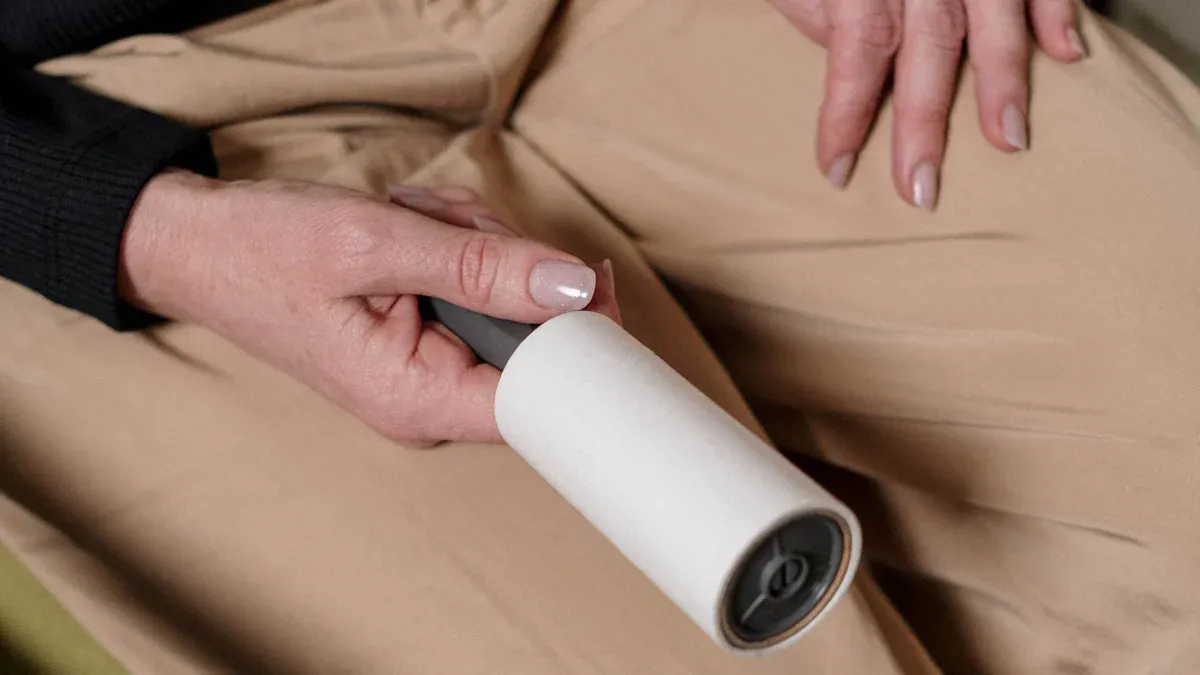
If you do not have a fabric shaver, you can try other ways to remove pilling. Some people use lint rollers, but you should be careful. Lint rollers can pull up bits of fabric and leave sticky residue, which may cause more lint and damage over time. They also add waste to landfills because the sheets are not recyclable.
You can also try these DIY methods for how to remove pills:
Use a razor. Lay your leggings flat and gently shave off the pills. Go slow to avoid cutting the fabric.
Try a pumice stone. Rub it in a circular motion over the pills. This works well for delicate fabrics but takes more time.
Use a fabric shaver if you have one. It is quick and safe, though it costs more than other DIY options.
While DIY methods can help, they sometimes damage delicate leggings. If you want the safest way to remove pilling, stick with a fabric shaver or ask a professional garment care service for help.
If you know why pilling happens, you can keep leggings nice. Look at this simple table:
Cause |
How It Contributes to Pilling |
|---|---|
Fiber Type |
Short fibers come loose and twist together fast |
Mechanical Abrasion |
Rubbing makes fibers break, so pills show up in busy spots |
Washing & Drying |
Moving and heat make fibers break down quicker |
Try these simple ideas:
Use gentle wash or wash by hand.
Hang them up to dry.
Taking care of your leggings really helps!
FAQ
Why do my leggings pill after just a few wears?
You probably notice pilling because your leggings rub together when you move. High-friction spots like your thighs and seat cause fibers to break and form pills.
Can I stop pilling if I limit high-friction activities?
Yes! If you limit high-friction activities like running or sliding on rough surfaces, you help your leggings stay smooth and pill-free for longer.
What’s the best way to wash leggings to prevent pilling?
Turn your leggings inside out before washing. Use a gentle cycle with mild detergent. Air dry them to keep the fabric strong and reduce pilling.


