

How do you choose breathable and comfortable yoga clothing materials?
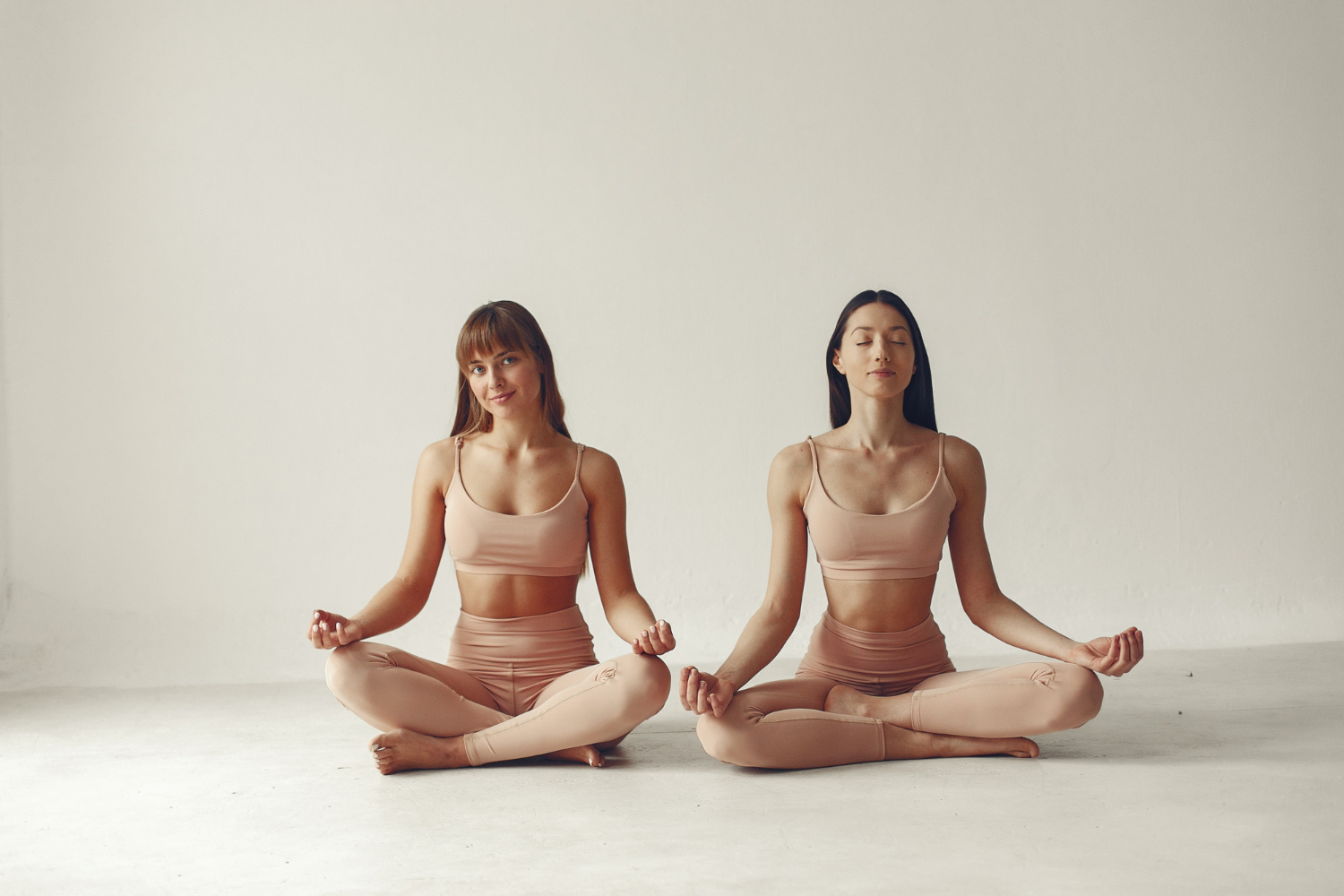
Want to feel good in every yoga class? Choose breathable yoga clothing made from fabrics that let your skin breathe. These breathable fabrics also help you move easily. Many people want yoga clothes that keep sweat away. They also like clothes that feel soft. Look at the table below. It shows how different fabrics can change your comfort:
Fabric Type |
Properties |
Impact on Yoga Experience |
|---|---|---|
Cotton |
Breathable, lightweight |
Absorbs sweat, boosts comfort |
Cotton-Spandex Blend |
Stretchable, comfortable |
Helps with tricky poses |
High-Performance Synthetics |
Durable, supportive |
Great for intense practices |
Sustainable Materials |
Eco-friendly, ethical |
Good for health-conscious people |
Key Takeaways
Pick fabrics that let air pass, like cotton, bamboo, or spandex blends. These help you feel comfy and move better in yoga. - Find materials that pull sweat away and dry fast. This helps you stay cool and dry, even in hard classes. - Always read the fabric tags for breathability and how to wash them. This makes your yoga clothes last longer and feel good.
Why Breathable Yoga Clothing Matters
Comfort and Performance Benefits
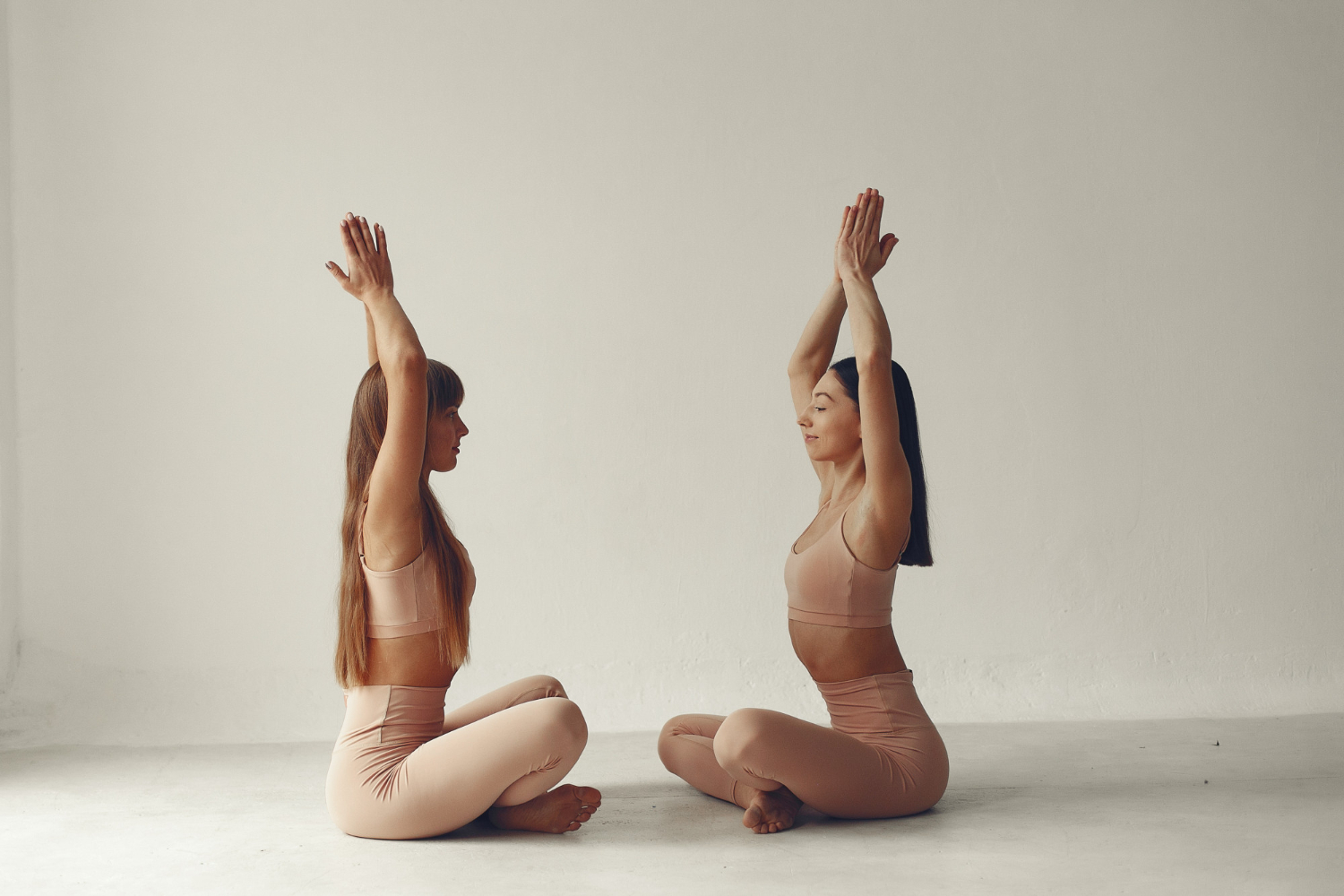
You want to feel your best in every yoga class. Breathable yoga clothing helps you move freely and stay comfortable. When you wear clothes made from breathable fabrics, you can stretch deeper and hold poses longer. These materials let air flow, so you do not get distracted by sweat or sticky fabric. Research shows that natural fibers, like organic cotton, feel soft on your skin and help you stay cool. They also last longer and are better for the planet.
Here are some ways breathable fabrics boost your yoga experience:
They let you move without feeling tight or restricted.
They keep you focused by stopping sweat from building up.
They help you stay clean and fresh by reducing odors and skin irritation.
You will notice that the right clothing can even lift your mood and confidence. The colors and designs you choose can make you feel more positive during practice.
Preventing Overheating and Irritation
Yoga can get intense, especially in a warm room. If your clothes do not breathe, your body heats up fast. Sweat stays on your skin, making you feel sticky and uncomfortable. This can lead to muscle cramps or even dizziness. Breathable fabrics allow air to move and sweat to dry quickly. You stay cool and avoid heat stress.
Air can flow through the fabric, helping your body cool down.
Quick-drying materials stop sweat from clinging to your skin.
You avoid skin irritation and can focus on your poses.
Choosing the right yoga clothes keeps you comfortable and safe, so you can enjoy every moment on your mat.
Best Fabrics for Breathable Yoga Clothing
Picking the right fabric can make yoga better. You want clothes that feel nice and move with you. They should also keep you dry. Let’s check out the best choices and see how they compare.
Nylon, Polyester, and Spandex Blends
These blends are in lots of yoga pants and tops. They stretch, so you can move into any pose. These materials pull sweat away from your skin. This helps you stay cool and dry. Here is how they work:
Material |
Wicking Speed |
Drying Time |
Wet Feel |
Long-Term Performance |
|---|---|---|---|---|
Polypropylene |
Very Fast |
3-5 minutes |
Almost dry |
Good |
Microfiber Polyester |
Fast |
5-7 minutes |
Slightly damp |
Excellent |
Nylon-Spandex |
Moderate |
8-10 minutes |
Damp |
Good |
Nylon-spandex feels soft and lets air move through. Polyester-spandex is strong and keeps its shape. But it does not let air in as well. If you sweat a lot or do hot yoga, nylon-spandex is better. It lets air flow and dries fast.
Tip: Want clothes that last and stretch? Try nylon-spandex blends. For extra strength, polyester-spandex is good, but it may feel warmer.
Here are some pros and cons:
Fabric Type |
Advantages |
Disadvantages |
|---|---|---|
Nylon-Spandex |
Softness, breathability, moisture-wicking |
None major |
Polyester-Spandex |
Durability, structure, affordability |
Lower breathability, discomfort in heat |
Synthetic fabrics like nylon, polyester, and spandex pull sweat away. They help it dry fast. This keeps you comfy during yoga. Natural fibers like cotton soak up sweat but do not pull it away. You might feel damp.
Bamboo and Tencel
Bamboo and Tencel are newer fabric choices for yoga. They feel very soft and change with your body temperature. Bamboo lets air move, so you stay cool. It can soak up three times its weight in water. This means you stay dry. Tencel is also breathable and handles sweat well.
Fabric Type |
Moisture-Wicking |
Odor Resistance |
|---|---|---|
Bamboo |
Yes |
Yes |
Tencel |
Yes |
Not mentioned |
Bamboo is good for the earth if picked the right way. Tencel comes from wood pulp and is also eco-friendly. Both help stop odors, so you feel fresh after yoga.
Note: If you care about the planet and want light, airy fabrics, bamboo and Tencel are great.
Organic Cotton and Linen
Organic cotton and linen are classic for gentle yoga. They feel soft and let your skin breathe. Organic cotton leggings are safe for sensitive skin. Linen is very airy but can feel rough at first.
Fabric Type |
Breathability Rating |
|---|---|
Organic Cotton |
Very soft and breathable. Great for gentle yoga. |
Bamboo |
Super soft and adjusts to your body temperature. |
Hemp |
Breathable with a natural feel that softens over time. |
Linen |
Extremely breathable but a bit rough at first. |
Recycled Polyester |
Less breathable than natural fabrics but performs well. |
Nylon |
Smooth and flexible, especially in blends. |
Tencel Lyocell |
Natural moisture-wicking and antibacterial qualities. |
Organic cotton soaks up sweat instead of pulling it away. It is best for slow or easy yoga. Linen lets air move but does not stretch much. If you want earth-friendly and comfy clothes, organic cotton and linen are good picks.
Picking organic cotton helps the planet and supports fair work. You get comfort, breathability, and peace of mind.
Fabrics to Avoid for Intense Yoga
Some fabrics are not good for sweaty, hard yoga. Heavy cotton and thick blends trap heat and sweat. You might feel sticky or get skin problems. Fabrics that do not breathe can cause rashes or make you too hot.
Feature |
Organic Fabrics |
Synthetic Fabrics |
|---|---|---|
Breathability |
Excellent natural airflow |
Moderate, engineered ventilation |
Moisture Control |
Absorbs sweat, dries slower |
Wicks sweat, dries quickly |
If you pick the wrong fabric, you could get skin problems or feel bad. Trapped heat and sweat can cause rashes or even skin issues. For hard yoga, use fabrics that let air in and dry fast.
Tip: Always read the label before you buy. Look for light, airy fabrics that help you stay cool and dry.
You have lots of choices for breathable yoga clothes. Pick the fabric that fits your style, comfort, and yoga type.
Key Features in Yoga Clothes
Moisture-Wicking and Quick-Dry
You want to stay dry when you do yoga. Moisture-wicking fabrics pull sweat off your skin. These materials help sweat dry fast, so you do not get sticky. Many yoga tops and leggings use Lycra, spandex, or cotton blends. Some brands use special technology to move sweat even quicker. This keeps your skin healthy and stops irritation. These fabrics often fight odors with antimicrobial finishes.
Tip: Moisture-wicking clothes help you stay cool and light, even in hot yoga.
Stretch and Flexibility
Yoga makes you bend, twist, and stretch a lot. You need clothes that move with you. Look for 4-way stretch spandex or seamless spandex fabric. These choices let you move freely and keep their shape. Seamless designs also stop pressure points, so you feel good in every pose.
Fabric Type |
Key Benefits |
|---|---|
4-Way Stretch Spandex |
Full movement, keeps shape, gives compression |
Seamless Spandex Fabric |
No discomfort, better flexibility, fewer seams |
Cooling Spandex Fabric |
Helps control temperature, dries quickly |
Fit, Seams, and Mesh Panels
A good fit is important for yoga. Pants and leggings should fit your waist and hips but not squeeze. Fitted tops stay put, even when you go upside down. Flat seams or seamless designs help stop chafing. Some yoga clothes have mesh panels. These panels let air flow and make your outfit more breathable. You can also wear light jackets or hoodies to change your temperature.
Softness and Skin Safety
Soft clothes feel nice on your skin, especially if you have sensitive skin. Organic bamboo, cotton, and hemp are gentle and hypoallergenic. They also fight odors and let your skin breathe. Synthetic fabrics may bother some people, especially if they have chemical treatments. Pick breathable fabrics for the best comfort and skin safety.
Fabric Type |
Softness |
Skin Safety |
Extra Benefits |
|---|---|---|---|
Organic Bamboo |
High |
Hypoallergenic |
Breathable, odor control |
Organic Cotton |
Moderate |
Hypoallergenic |
Eco-friendly |
Hemp |
Moderate |
Hypoallergenic |
Durable, soft touch |
Choosing the right features in yoga clothes helps you enjoy every practice.
How to Choose Yoga Clothes
Check Fabric Labels
When you shop for yoga clothes, always check the fabric label first. The label tells you what the clothing is made of and helps you pick the best option for your needs. Some fabrics breathe better, some stretch more, and others last longer. Here’s a quick guide to help you compare:
Fabric Type |
Breathability |
Moisture-Wicking |
Durability |
Sustainability |
|---|---|---|---|---|
Cotton |
High |
Moderate |
Moderate |
High |
Nylon |
Moderate |
High |
High |
Low |
Bamboo |
High |
High |
Moderate |
High |
You can use this table to match your yoga style and values. If you want maximum performance, nylon works well. If you care about the planet, bamboo or cotton is a smart choice. Many brands blend fibers, like cotton-spandex or nylon-spandex, to give you the best of both worlds. Always feel the fabric if you can. Softness, weight, and stretch matter a lot for comfort. Don’t forget to read the care label, so you know how to keep your clothes in top shape.
Tip: For hot yoga or intense classes, look for blends with high moisture-wicking and breathability.
Try On for Fit and Comfort
Trying on yoga clothes before you buy helps you find the right fit for your body. Everyone moves differently in a yoga class, so you want clothes that move with you. When you try on leggings or tops, do a few simple stretches or poses. This shows you if the fabric stretches enough and stays comfortable.
Try different sizes to see what feels best.
Move your arms and legs to check for flexibility.
Make sure tops stay in place when you bend or twist.
Check that leggings don’t slide down or bunch up.
You want your yoga clothing purchases to support you, not distract you. A good fit means you can focus on your breath and poses, not on fixing your clothes.
Consider Eco-Friendly Options
Choosing eco-friendly yoga clothes helps the planet and keeps you healthy. Natural fibers like bamboo, hemp, and organic cotton use less energy and water to produce. They also break down faster than synthetic fabrics. Synthetic fibers, like polyester and nylon, can release microplastics into the water when you wash them. These tiny plastics harm fish and even end up in our food.
When you pick eco-friendly options, you help reduce pollution and chemical waste. You also avoid harsh chemicals that can irritate your skin. Many brands now offer stylish, breathable yoga clothing made from sustainable materials. You can feel good about your choice every time you step onto your mat.
Note: Look for certifications like GOTS (Global Organic Textile Standard) or OEKO-TEX on the label for extra peace of mind.
Care Tips for Longevity
Taking care of your yoga clothes helps them last longer and keeps them feeling fresh. Follow these simple steps to protect your favorite pieces:
Turn your leggings inside out before washing. This keeps the outside looking new.
Use cool or cold water. Hot water can shrink or fade the fabric.
Skip fabric softeners. They block the fabric’s ability to wick away sweat.
Wash only when needed. Over-washing wears out the fibers.
Hang your clothes to dry. Avoid the dryer to prevent heat damage.
Store leggings folded or hung up. This keeps their shape and avoids wrinkles.
Always check the care label for special instructions.
You can also rinse your clothes after light yoga or Pilates. For sweaty classes, soak them with baking soda or mild vinegar before washing. Air dry right away to keep them fresh. If you get stains, treat them quickly with a gentle spot cleaner. When you travel, use a fabric refresher spray instead of washing after every wear.
Tip: Store your yoga clothes away from sunlight and heat. This prevents fading and keeps the fibers strong.
By following these tips, you keep your breathable fabrics soft, stretchy, and ready for every yoga class. When you choose yoga clothes with care and maintain them well, you get more comfort and value from every piece.
When you choose yoga clothes, check for these things:
Moisture-wicking and breathable fabrics help you stay dry and cool.
Stretchy materials let you move easily in every pose.
Clothes that fit well make you feel good and help you focus.
Pick clothes that feel comfy and let your skin breathe. Try to pick what matches your values and helps you enjoy yoga each day.
FAQ
What should you wear for hot yoga?
Pick lightweight, moisture-wicking clothes. Look for shorts or leggings and a fitted tank top. Avoid heavy fabrics. You want to stay cool and dry.
How often should you wash yoga clothes?
Wash your clothes after every sweaty session. For gentle classes, you can air them out and wash after a few wears. Always follow the care label.
Can you wear regular workout clothes for yoga?
You can, but yoga clothes offer better stretch and comfort. They help you move freely and stay focused during practice.


