

Mistakes to Avoid When Drying Activewear
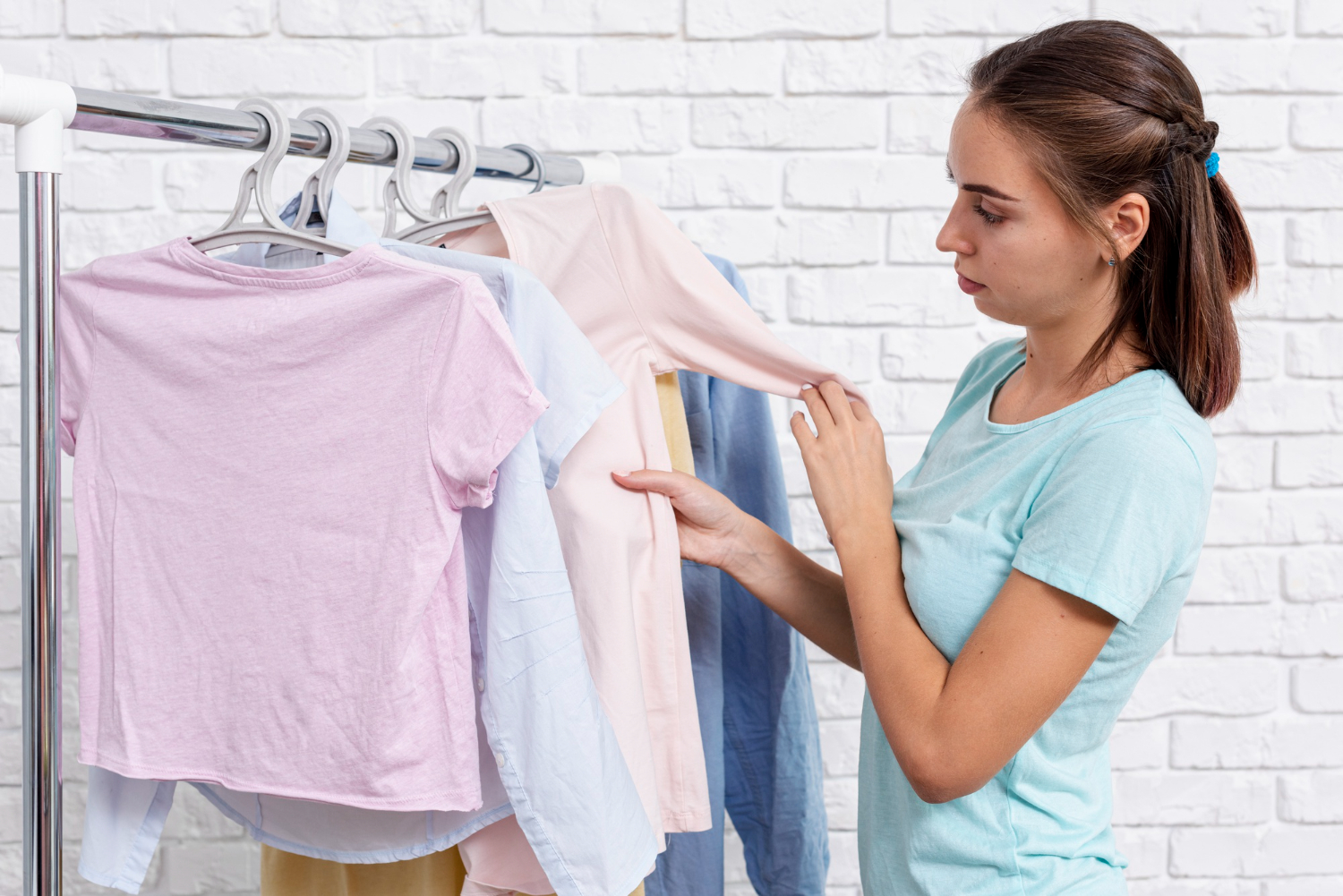
You pull your favorite leggings out of the dryer and notice they look stretched or feel rough. Sound familiar? Many people make these mistakes to avoid:
Using high heat in the dryer
Skipping air drying
Ignoring care labels
Tip: Drying activewear the right way helps keep your clothes fresh and fitting well.
Key Takeaways
Always check care labels before drying your activewear. This helps prevent shrinking and fading.
Air dry your clothes whenever possible. This method keeps fabrics stretchy and maintains their shape.
Avoid using high heat in the dryer. Low heat or air drying protects the fibers and extends the life of your gear.
Why Drying Activewear Properly Matters
Fabric Performance and Longevity
You want your workout clothes to last and keep their shape. Drying techniques make a big difference. If you use high heat in the dryer, you risk damaging the fibers. Polyester and spandex blends lose their stretch and start to look worn out. Air drying helps keep the elasticity and fit of your gear. If you must use a dryer, pick the lowest heat setting and take your clothes out as soon as they are dry.
Air drying keeps polyester and spandex blends stretchy and looking new.
Tumble drying with high heat can ruin the fabric and make it lose performance.
Removing clothes from the dryer quickly helps prevent damage.
Tip: Always check the care label before drying. This simple step helps you avoid common mistakes to avoid and keeps your activewear in top condition.
Preventing Damage and Odor
Activewear often gets sweaty and damp. If you don’t dry it properly, bacteria can grow. This leads to bad smells, fabric damage, and even skin irritation. Natural fibers are more likely to attract bacteria, but synthetic fabrics like polyester can hold moisture, which also causes problems.
Warm, moist clothes create a perfect spot for bacteria.
Bacteria cause odors and break down the fabric.
Fast drying, like tumble drying on low heat, can help reduce smells.
Humidity during drying makes odors worse.
You want your clothes to smell fresh and last longer. Proper drying keeps bacteria away and helps your gear stay comfortable and safe to wear.
Mistakes to Avoid When Drying Activewear
Drying workout clothes looks easy, but small choices matter. Let’s talk about mistakes to avoid so your gear stays fresh, comfy, and lasts longer.
Using High Heat
High heat in the dryer seems fast, but it hurts activewear. The fibers in leggings and shirts can melt or lose stretch. You might see shrinking, pilling, or misshaped clothes. Spandex and polyester do not like heat.
Tip: Use the lowest heat or air dry your activewear. This protects the fabric and keeps your clothes fitting right.
Ignoring Care Labels
Care labels help you know how to treat your clothes. If you skip them, you might shrink your favorite pieces or fade colors. High heat and moisture can damage technical fabrics and even melt synthetic fibers.
Shrinking happens when heat and moisture hit different materials.
Pilling and melting can ruin your gear.
Colors fade faster with high heat or sunlight.
Always check the label before drying your clothes. Following these steps is one of the most important mistakes to avoid.
Using Fabric Softener
Fabric softener sounds nice, but it’s bad for activewear. The coating blocks tiny holes in performance fabrics. Your clothes won’t wick sweat or breathe as well.
It leaves a coating that blocks breathability.
High-performance fabrics lose stretch and shape.
Impact on Synthetic Fibers |
Description |
|---|---|
Breathability |
Coating from fabric softeners makes it harder to breathe. |
Moisture-wicking ability |
Softener seals fibers and lowers effectiveness. |
Elasticity |
Activewear loses flexibility and shape. |
Note: Skip softener and use gentle detergent instead. Your clothes will stay fresh and work better.
Overloading the Dryer
Stuffing the dryer saves time, but it’s a mistake to avoid. Overloading causes friction and can break the dryer’s motor. Clothes don’t dry evenly, and extra rubbing wears out the fabric.
Dryer overload can break down and burn out the belt.
Clothes get more wear and tear, especially delicate activewear.
Poor air flow means damp spots and more damage.
Low heat works best, but only if you give clothes space. Dry smaller loads for better results.
Skipping Air Drying
Air drying takes longer, but it’s gentle on your gear. If you always use the dryer, you risk losing stretch and fit. Air drying helps keep fibers strong and shape intact.
Tip: Hang activewear on a rack or lay it flat. This stops shrinking and keeps clothes looking new.
Using Harsh Detergent
Regular detergents can be too strong for activewear. They leave residue that traps sweat and bacteria, causing bad smells. Harsh chemicals break down special features like moisture-wicking and stretch.
Residue from harsh detergents leads to odors.
Performance features get damaged.
Regular detergents don’t protect synthetic materials.
Taylor Sutherland, a detergent expert, says, “Some detergents leave residues, and that’s a way to ‘stimulate’ cleanness. The problem is that those residues ruin the specific characteristics of performance garments.”
Pick a detergent made for activewear. It removes sweat and bacteria without hurting the fabric.
Washing in Hot Water
Hot water feels like it should clean better, but it’s another mistake to avoid. It weakens threads and makes clothes less stretchy. Synthetic fibers can shrink or lose their water-wicking finish.
Hot water breaks down fiber strength.
Elasticity drops, and clothes wear out faster.
Technical coatings that help wick moisture can fade away.
Use cold or warm water. Your gear will last longer and keep its special features.
Storing While Damp
Putting away damp activewear is risky. Moisture helps mold and bacteria grow, especially in dark or closed spaces. You’ll notice musty smells, and the fabric can get damaged. Mold can even bother your skin.
High humidity helps fungi and bacteria grow.
Musty smells come from sweaty clothes stored in tight spaces.
Poor air flow leads to mold and fabric damage.
Let clothes dry all the way before storing them. Good air flow keeps them fresh and safe.
Remember: These mistakes to avoid are easy to fix. Small changes help your activewear last longer and work better.
Best Practices for Drying Activewear

Air Drying Tips
You want your activewear to last and perform well. Air drying is your best friend. Hang your clothes in a well-ventilated spot. This keeps the shape and helps remove odors. Air drying also protects the moisture-wicking finish, so your gear stays comfortable. You save energy and help the environment, too. If you notice snags or holes from the dryer, switch to air drying. Your clothes will thank you.
Hang clothes in a breezy area for faster drying.
Keep items out of direct sunlight to prevent fading.
Air drying helps prevent baggy or stretched-out fabric.
Tip: Air drying is gentle and keeps your activewear fresh.
Hanging vs. Laying Flat
You might wonder if you should hang or lay your clothes flat. Hanging works well for most items, especially if you use padded hangers. Laying flat is better for pieces with lots of stretch, like yoga pants or compression shirts. This method keeps the shape and stops the fabric from stretching out.
Drying Method |
Best For |
Benefit |
|---|---|---|
Hanging |
Shirts, jackets |
Maintains elasticity |
Laying Flat |
Leggings, stretchy tops |
Preserves shape |
Creating a Drying Routine
Professional athletes follow simple routines to keep their gear in top shape. Wash or air out sweaty clothes right away. Use cold water and gentle detergent. Skip fabric softeners and bleach. Air dry in the shade to protect elastic fibers. Lay flat or hang, depending on the item. These steps help you avoid common mistakes to avoid and keep your activewear looking new.
Wash sweaty clothes as soon as possible.
Use a detergent made for activewear.
Air dry in a shaded, airy spot.
Lay flat or hang, based on the fabric.
Quick tip: Hand wash delicate items and rinse well. This keeps your gear clean and strong.
You want your activewear to last and feel great. Skip high heat, fabric softener, and storing damp clothes. Air drying keeps your gear stretchy and comfy. Moisture-wicking fabrics help you stay cool and boost performance. Try this checklist:
Air dry your clothes
Use gentle detergent
Check care labels
FAQ
Can I dry activewear in direct sunlight?
Sunlight dries clothes fast, but it can fade colors and weaken fibers. You should air dry in the shade for best results.
Is it okay to use a regular detergent for activewear?
Regular detergent leaves residue and traps odors. You should pick a gentle detergent made for activewear to keep your gear fresh.
Tip: Always check the care label before washing or drying. This helps you avoid mistakes and keeps your clothes in great shape.
How do I stop my activewear from smelling bad?
Wash sweaty clothes right away. Use cold water and a gentle detergent. Air dry in a breezy spot. Your gear will smell fresh and last longer.


