

Fall and Winter Yoga Outfit Ideas for Warm Flexible Layers
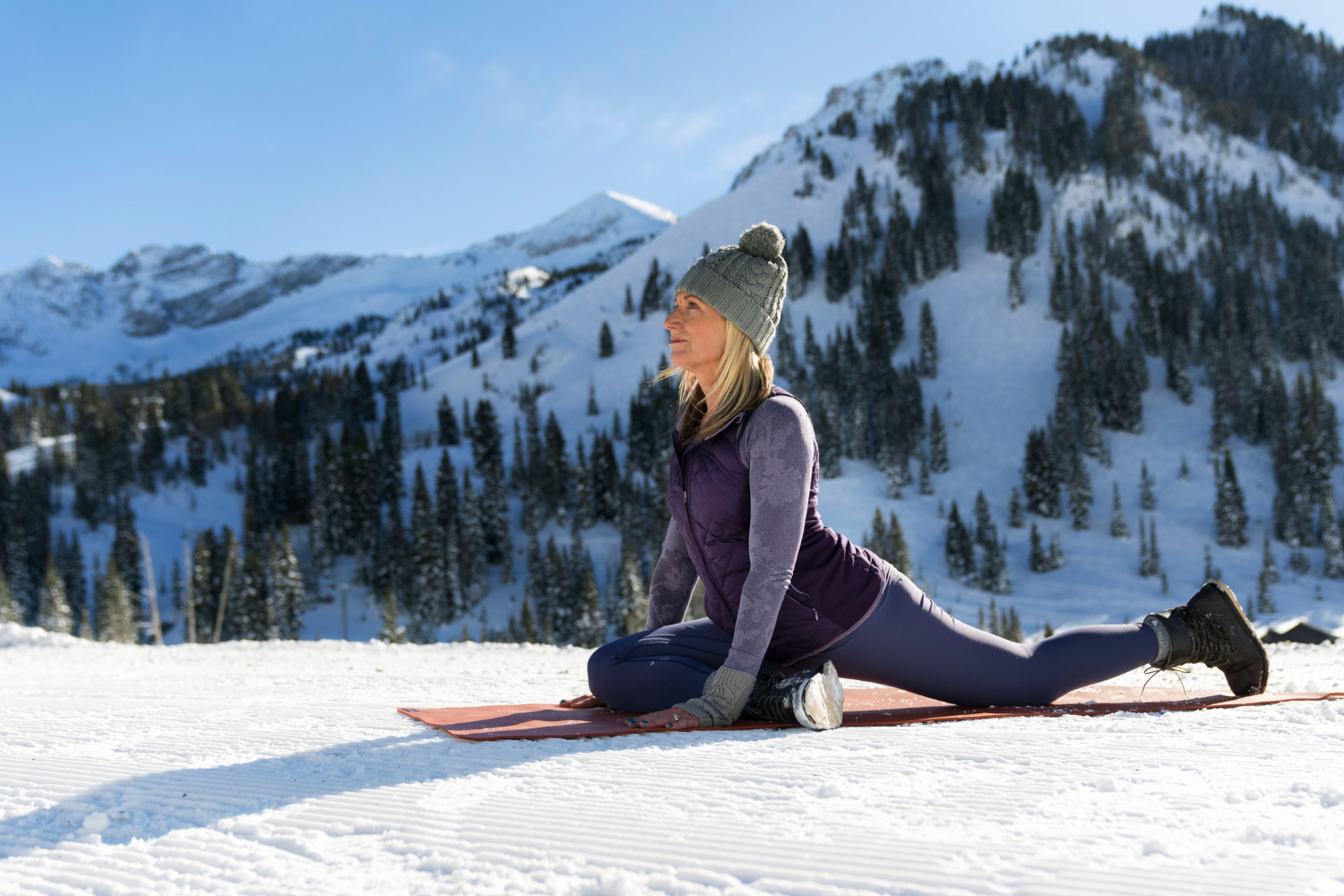
You can stay warm during fall and winter yoga by layering smart pieces that keep your body cozy but never hold you back. When you pick the right yoga outfit ideas, you get warmth and flexibility at the same time. Layering works wonders for comfort and movement.
Lightweight tops like the Ladies Elite 1/4 Zip slip easily over base layers.
A Long Sleeve Hooded Top adds extra warmth and feels soft during yoga.
Focus on outfits that let you stretch, bend, and breathe without feeling bulky or restricted. You deserve to feel good every time you step onto your mat.
Key Takeaways
Wear layers for your yoga outfits to stay warm and move easily. First, put on a base layer that pulls sweat away. Next, wear a top with fleece inside. Add a light jacket if you practice outside.
Pick the right materials so you feel comfortable. Choose warm fabrics like fleece or wool blends. These keep heat in but do not feel heavy.
Use fabrics that pull sweat away to stay dry. Do not wear cotton because it holds sweat. Cotton can make you feel cold.
Add things like yoga socks, beanies, and gloves for more warmth. These help you stay warm before and after yoga.
Try different tops and bottoms together. See what feels best for your body and the weather. This helps you enjoy yoga all season.
Yoga Outfit Ideas for Cold Weather
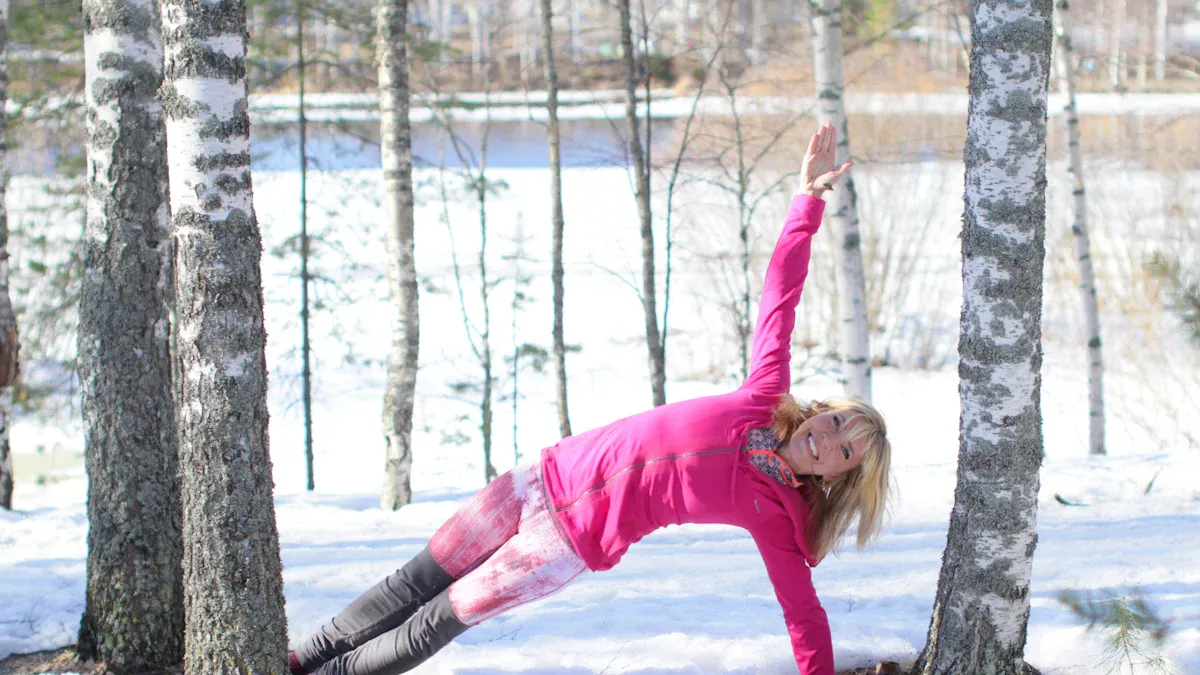
When the temperature drops, you want yoga outfit ideas that keep you warm but never slow you down. You can find plenty of options that combine comfort, flexibility, and style. Let’s break down the best ways to stay cozy during your yoga practice.
Choosing Warm Tops
You need a top that feels soft and keeps you warm. Many yoga outfit ideas feature sherpa, fleece, down, or brushed interior materials. These fabrics trap heat and feel gentle against your skin. You can pick oversized or slouchy tops for extra warmth and easy movement. You might love a loose sweater or a roomy hoodie that lets you stretch without feeling tight.
Tip: Look for tops with thumbholes or high necks. These details help seal in warmth during your yoga session.
Here are some popular materials for cold-weather yoga tops:
Insulating fabrics like wool blends keep you warm without adding bulk.
Moisture-wicking technology, such as polyester blends or merino wool, pulls sweat away from your skin.
Fabrics with elastane or spandex give you flexibility and stretch.
Breathable designs with mesh panels or ventilation help regulate your temperature.
You can mix and match these features to create yoga outfit ideas that work for you.
Fleece-Lined Leggings
Regular leggings might not cut it when the air gets chilly. Fleece-lined leggings offer a soft, fuzzy interior that holds in body heat. You get superior warmth and comfort, which makes them perfect for cold weather yoga. These leggings feel cozy but still let you move freely. You can bend, twist, and flow through poses without feeling stiff.
If you want even more warmth, try leggings with a brushed interior or down insulation. These options add a layer of protection against the cold. You can pair fleece-lined leggings with your favorite yoga outfit ideas for a look that feels good and performs well.
Layering Essentials
Layering is the secret to staying warm without overheating. You can start with a long-sleeve t-shirt and add a cardigan, sweater, or sweatshirt. These pieces keep you comfortable during relaxation poses or when you transition between practice and meditation. You can also throw on a light jacket, cozy wrap, or warm socks for extra insulation.
Note: Layers let you adjust your yoga outfit ideas as you move between indoor and outdoor spaces. You can peel off a sweater when you warm up or add a wrap during cool-down.
Yoga instructors recommend layering because it helps you stay focused and comfortable. You can move easily between different environments and keep your body at the right temperature. Try mixing breathable hoodies or sweaters with your favorite yoga outfit ideas. You’ll find that layering gives you the freedom to practice yoga your way.
What to Wear to Yoga in Fall & Winter
Choosing what to wear to yoga in fall and winter can feel tricky. You want to stay warm, but you also need to move easily. The right yoga outfit helps you focus on your practice, not the cold. Let’s look at some practical tips for picking tops, yoga pants, and accessories that keep you cozy and flexible.
Long Sleeve Yoga Tops
Long sleeve tops are a must for chilly days. You get extra coverage for your arms, which helps trap heat. Many yoga tops use soft, stretchy fabrics that move with you. Some have thumbholes or high necks for even more warmth. You might like a fitted style for layering or a loose top for comfort. Try mixing and matching different textures. A brushed interior feels gentle on your skin, while a moisture-wicking layer keeps you dry.
Tip: Choose a long sleeve top that fits close to your body. You can add a hoodie or sweater over it if you need more warmth during your yoga session.
Here’s a quick table to help you compare popular long sleeve yoga tops:
Style |
Warmth Level |
Flexibility |
Best For |
|---|---|---|---|
Fitted |
Medium |
High |
Layering |
Oversized |
High |
Medium |
Relaxation poses |
Hooded |
High |
High |
Outdoor yoga |
Full-Length and 7/8 Leggings
Yoga pants play a big role in keeping you warm. Full-length leggings cover your legs from hip to ankle, blocking out cold air. You can also try 7/8 leggings if you want a little more breathability. Fleece-lined leggings are perfect for fall and winter. They feel soft inside and hold in heat. Some yoga pants use compression for extra support, while others offer a relaxed fit for easy movement.
You might want to keep a few pairs of yoga pants in your closet. Switch between full-length and 7/8 leggings depending on the temperature. Look for styles with a high waistband. This design keeps your core warm and stays in place during every pose.
Note: Avoid cotton leggings for cold weather yoga. Moisture-wicking fabrics like polyester or spandex keep you dry and comfortable.
Yoga Socks and Accessories
Accessories make a big difference when you practice yoga in cold weather. Yoga socks give you grip and warmth, especially if you have hardwood or tile floors. Some socks reach up to your thighs for extra insulation. You can also wear gloves to keep your hands warm during slow flows or meditation.
Hats and neck warmers help you stay cozy before and after your yoga session. A soft beanie keeps your head warm, while a neck warmer protects you from drafts. Compression sleeves add support and warmth to your arms or legs. You can mix these accessories with your favorite yoga outfit for a custom look.
Here’s a list of cold weather yoga accessories you might want to try:
Yoga socks (regular or thigh-high)
Gloves
Hats or beanies
Neck warmers
Compression sleeves
Fleece-lined leggings
Callout: Don’t forget to layer your accessories. You can remove a hat or gloves as you warm up, then put them back on during cool-down.
Picking what to wear to yoga in fall and winter is all about comfort and flexibility. You can build your yoga outfit with long sleeve tops, yoga pants, and cozy accessories. Try different combinations until you find what works best for you. Your practice will feel warmer and more enjoyable every time you step onto your mat.
Best Yoga Activewear Materials
Thermal and Breathable Fabrics
You want yoga clothes that keep you warm but not sweaty. Thermal and breathable fabrics help you feel good during cold weather yoga. These materials hold in heat but let your skin breathe. You can move through poses without feeling heavy. Here are some top picks for yoga clothes in cold weather:
Thermolite and special synthetic insulations give you warmth without making clothes thick. You can stretch and bend easily.
Brushed and gridded inside fabrics feel soft on your skin. They keep in heat and make clothes comfy and airy.
Moisture-wicking and heating fabrics keep your skin dry and your body warm. You can focus on yoga and not get distracted.
Wind-resistant and weather-repellent finishes protect you from cold air and rain. These features keep your yoga clothes flexible and let air flow.
You can mix these important features to make yoga outfits for any season.
Moisture-Wicking vs. Cotton
Picking the right fabric is important for yoga. Moisture-wicking fabrics help you stay dry when you sweat. Cotton soaks up sweat and dries slowly. You might feel cold or heavy in cotton after hard yoga. Moisture-wicking fabrics make you feel better and help you do your best. Check out this chart:
Fabric Type |
Sweat Management |
Heat Retention |
|---|---|---|
Moisture-Wicking |
Pulls sweat away from your skin fast |
Dries quickly, keeps you cooler |
Cotton |
Soaks up sweat, dries slowly |
Holds heat, feels heavy when wet |
You should choose moisture-wicking fabrics for yoga clothes. These materials keep you dry and comfy. You can enjoy your yoga and move easily.
Stretch and Comfort
Stretch and comfort are important for yoga. You need yoga clothes that move with you. Stretchy materials like spandex or elastane let you bend and twist easily. Comfort and breathability help you relax and stay focused. Moisture-wicking fabrics add even more comfort. You can wear layers and change as you need. The best yoga clothes have moisture-wicking, stretch, and flexibility. You get the best yoga time when you pick the right materials.
Layering Yoga Outfits for Flexibility
Layering your yoga outfits helps you stay warm and comfortable, whether you practice inside or outside. You can add or remove layers as your body warms up or cools down. This way, you keep your muscles loose and ready for every pose.
Base Layers for Insulation
Start with a good base layer. This layer sits closest to your skin and keeps you dry by moving sweat away. Here are some tips for picking the right base layer:
Choose a tight-fitting top made from compression material.
Look for fabrics like silk, polyester-blend, or other synthetic materials. These keep you warm and dry.
Avoid cotton because it holds sweat and can make you feel cold.
Pick the weight of your base layer—lightweight, medium, or heavyweight—based on how cold it is and how active your yoga session will be.
A solid base layer helps you stay cozy without feeling bulky.
Mid-Layers for Warmth
Your mid-layer adds extra warmth but still lets you move. This layer sits over your base layer and helps trap heat. Mid-layers work well because they give you insulation without making you too hot. They also manage moisture and let you stretch, bend, and twist during yoga. Try a fleece-lined hoodie or a soft pullover. These options keep you warm and comfortable, so you can focus on your yoga flow.
Outer Layers for Outdoor Yoga
If you practice yoga outside, you need a strong outer layer. This layer protects you from wind and rain. A windproof or water-resistant jacket works best. Pair it with thermal leggings or fleece-lined pants for extra warmth. Always check the weather before you head out. Dress in layers so you can add or remove pieces as needed. Choose clothes that are easy to take off or put on, like zip-up jackets or wraps. This makes it simple to adjust your outfit as the temperature changes.
Tip: For outdoor yoga, practice during the warmest part of the day if you can. This helps you stay comfortable and avoid stiff muscles.
Layering your yoga outfits gives you the freedom to move and keeps you warm, no matter where you practice.
Yoga Outfit Tips for Women and Men
Women's Yoga Outfit Ideas
You want a yoga outfit that keeps you warm and lets you move with ease. Start with a long sleeve top made from soft, stretchy fabric. Fleece-lined leggings feel cozy and help you stay comfortable during your yoga practice. Oversized sweaters or hoodies work well for layering. You can slip them on before class or during cool-down.
Accessories make a big difference. Try a beanie to keep your head warm. Yoga socks with grips help you stay steady on your mat. You might like a lightweight scarf or neck warmer for extra comfort. Many women choose high-waisted leggings because they keep your core warm and stay in place. If you practice yoga outside, add a windproof jacket or vest.
Tip: Mix and match layers so you can adjust your yoga outfit as your body warms up.
Here’s a quick list for women’s cold weather yoga essentials:
Fleece-lined leggings
Long sleeve tops
Oversized hoodies or sweaters
Beanies and yoga socks
Windproof jackets
Men's Yoga Outfit Ideas
You need a yoga outfit that works for both warmth and movement. Start with a long sleeve shirt or performance tee. Fleece hoodies and sweatshirts add extra warmth. Joggers or thermal leggings keep your legs comfortable. You can layer with a vest or jacket if you practice yoga outside.
Check out this table for men’s fall and winter yoga gear:
Category |
Top Picks |
|---|---|
Tops |
Performance tees, long sleeves, hoodies, sweatshirts |
Bottoms |
Joggers, sweatpants, thermal leggings |
Accessories |
Beanies, sport gloves, water bottles, yoga mats |
Outerwear |
Windproof jackets, vests |
You might want to try joggers for relaxed movement. Beanies and gloves help you stay warm before and after yoga. A water bottle keeps you hydrated. If you want more ideas, look for brands like Patagonia, Quince, and Outdoor Research. These brands offer yoga clothes that work well in cold weather.
Callout: Choose layers that you can take off easily. This helps you stay comfortable during every part of your yoga session.
A good yoga outfit helps you focus on your practice, not the cold. Pick pieces that fit your style and keep you warm. You can enjoy yoga all season long.
Balancing Warmth and Movement in Yoga
Avoiding Overheating
You want to stay warm in yoga, but not too hot. The best way is to wear light, moisture-wicking fabrics. These help you stay cool and dry when you sweat. You can wear a tank top or a fitted crop top for more air flow. If you like leggings, pick ones that breathe and fit snug. Tapered bottoms or capris let you move easily and feel comfy. Yoga shorts are also a good choice if you want more freedom.
Tip: Wear layers so you can take off a hoodie or sweater when you get warm. This helps you control your body temperature and stay focused on yoga.
Ensuring Flexibility
Flexibility is important in yoga. You need clothes that let you stretch, bend, and twist with no trouble. Fitted, light leggings help you move and don’t distract you. High-waisted yoga pants give comfort and cover you during poses. Don’t wear tight fabrics that trap heat or stop you from moving. Look for materials like cotton, bamboo, or blends that feel soft on your skin. Your yoga outfit should fit just right—not too tight or too loose.
Here are some tips to keep your body flexible and warm:
Start with dynamic moves to get your blood flowing.
Use active flexibility in your main yoga practice for strength and balance.
End with gentle stretches to relax your muscles and help you move better.
Personalizing Your Yoga Outfit
You can make your yoga outfit match your style and needs. Pick fabrics that pull away sweat and dry fast. Techy blends and antimicrobial materials keep your clothes fresh. Moisture-managing undergarments, like sports bras and lined leggings, help you stay comfy. You can choose colors, patterns, or add messages to your yoga clothes to show your style.
Feature |
Description |
|---|---|
Sweat-Absorbing Fabrics |
Keep you comfy during yoga. |
Quick-Drying Materials |
Help you feel good after yoga. |
Antimicrobial Fabrics |
Stop odor and keep clothes fresh longer. |
Customization Options |
Let you pick colors, patterns, and messages for your outfit. |
Custom yoga clothes give you comfort, flexibility, and freedom to move. You can find outfits for hot yoga, vinyasa, or slow yoga styles. Pick what feels best for you and enjoy your time on the mat.
You can stay warm and move easily during fall and winter yoga if you pick the right clothes. Wear fleece-lined leggings and long-sleeve tops to help keep your body warm. Add a light jacket or a wrap for more comfort. Pick moisture-wicking materials so you stay dry and don’t feel sweaty. Remember to wear grip socks and beanies when it gets cold.
Quick Checklist for Cold Weather Yoga Outfits:
Use insulating fabrics to stay warm but not bulky
Pick moisture-wicking technology so you stay dry
Wear stretchy materials so you can move easily
Try breathable layers so you don’t get too hot
Try out different layers and see what works best for you!
FAQ
What is the best way to layer yoga clothes for cold weather?
You can start with a moisture-wicking base layer. Add a fleece-lined top or hoodie. Finish with a light jacket if you practice outside. Peel off layers as you warm up.
Can I wear regular leggings for winter yoga?
Regular leggings work indoors. For outdoor or chilly rooms, fleece-lined leggings keep you warmer. You get more comfort and flexibility with thermal materials.
Do I need special socks for yoga in winter?
Yoga socks with grips help you stay steady and warm. You can wear them on cold floors. Some socks reach your calves for extra insulation.
How do I avoid overheating during yoga?
Wear layers you can remove easily. Pick breathable fabrics. You can take off a hoodie or sweater when you get warm. Stay comfortable by adjusting your outfit.
What accessories help keep me warm during yoga?
Try a beanie, neck warmer, or gloves. Yoga socks add grip and warmth. You can use these before class or during cool-down. Mix and match for your comfort.


