

-
Sports Bras 16
-
Tank Tops 13
-
Short Sleeve Tops 13
-
Long Sleeve Tops 13
-
Coats & Jackets 6
-
Sweatshirts & Hoodies 8
-
Knitwear 3
-
Shorts 3
-
Tennis Skirts 3
-
Leggings 3
-
Flared Pants 3
-
Wide Leg Pants 3
-
Joggers 3
-
Sweatpants 3
-
Jumpsuits & Bodysuit 8
-
Tennis Dresses 8
-
Activewear Sets 3
-
Plus Size Activewear 3
-
Backpack 3
How to Protect Long Sleeve Workout Tops from Zippers and Hook-and-Loop Closures?


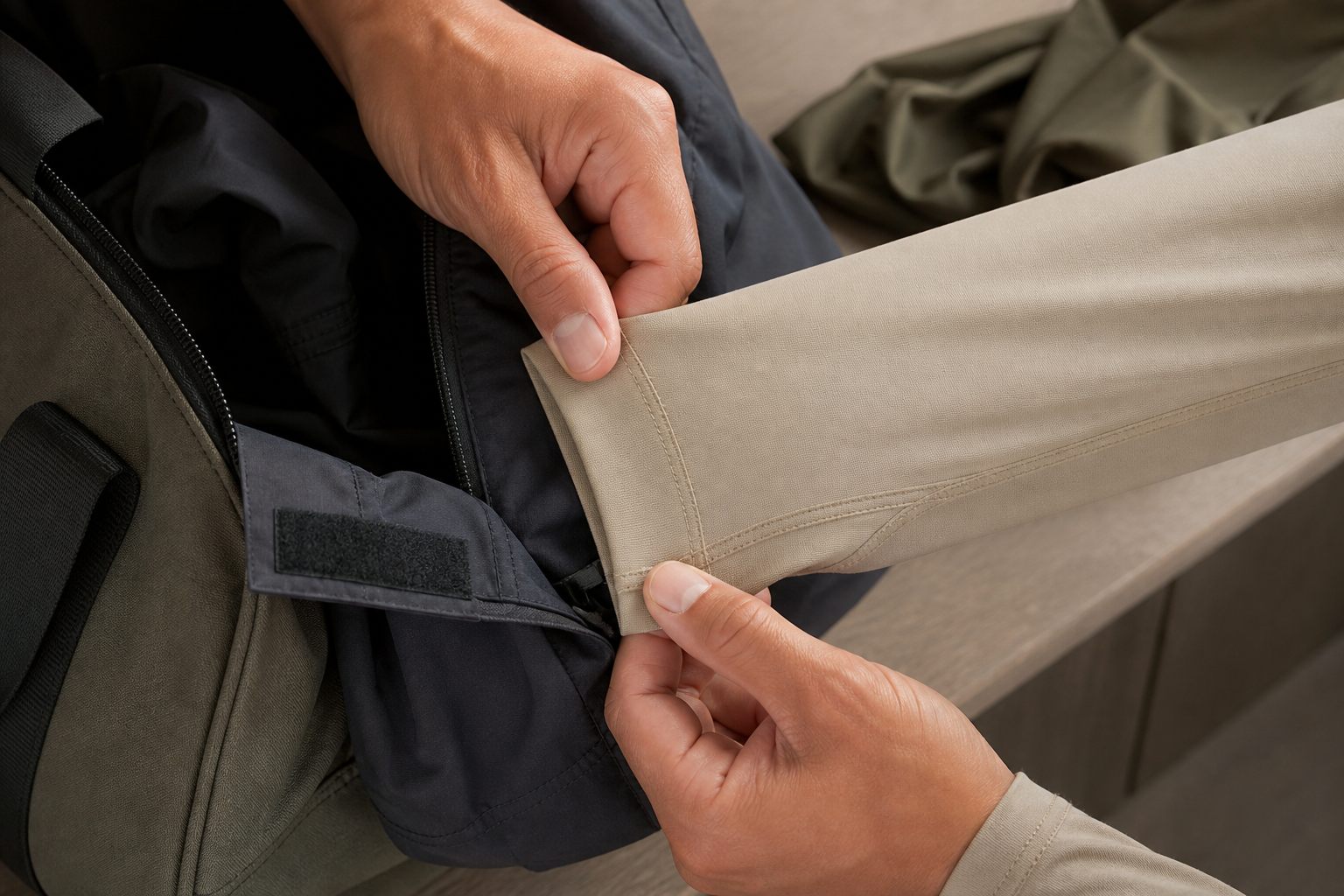
Protect long sleeve workout tops from zipper teeth and hook-and-loop closures with careful dressing, washing and storage habits that help reduce avoidable snags now.
Close or cover fasteners before contact
Before putting on a jacket, bag, or outer layer, look for exposed zipper edges and hook surfaces. Fasten hook-and-loop tabs when they are not being adjusted, and open zippers far enough that the sleeve does not scrape through a tight gap.
- Keep the cuff away from the zipper slider while fastening.
- Move slowly when a sleeve passes near a pocket zipper.
- Check bags and straps for rough closure edges.
- Do not pull the fabric free with force if it catches.
Separate risky items in the wash
Follow every garment’s care label first. When the instructions allow the items to share a load, close zippers and secure hook-and-loop tabs before washing. A suitable mesh laundry bag may provide extra separation, but it does not override temperature, cycle, or drying directions on the label.
Store the top away from exposed hooks
Make sure the long sleeve top is clean and fully dry before storage. Do not press it against open hook closures on gloves, braces, bags, or jackets. Fold or hang it according to the space available and the garment’s needs, keeping rough hardware on a different shelf or behind a closed pocket.
Respond carefully to a small catch
Stop moving as soon as you notice resistance. Support the fabric with one hand and gently release the fastener with the other. Avoid cutting, stretching, or pulling a raised loop. If damage is visible, follow appropriate garment repair guidance or consult a qualified repair service rather than guessing.
Create a quick fastener routine
- Close unused hooks.
- Open zippers fully before dressing.
- Separate fasteners for washing and storage.
- Inspect cuffs after travel or layered wear.
Protecting long sleeves is mostly about controlling contact. Secure rough fasteners, move carefully while dressing, and separate the top during care and storage to reduce unnecessary snags.


