

-
Sports Bras 16
-
Tank Tops 13
-
Short Sleeve Tops 13
-
Long Sleeve Tops 13
-
Coats & Jackets 6
-
Sweatshirts & Hoodies 8
-
Knitwear 3
-
Shorts 3
-
Tennis Skirts 3
-
Leggings 3
-
Flared Pants 3
-
Wide Leg Pants 3
-
Joggers 3
-
Sweatpants 3
-
Jumpsuits & Bodysuit 8
-
Tennis Dresses 8
-
Activewear Sets 3
-
Plus Size Activewear 3
-
Backpack 3
How to Choose a Sweatshirt for Changing Temperatures


Choose a sweatshirt for changing temperatures with practical layer, comfort, and movement checks that help you prepare for shifting conditions with ease. Feel ready.
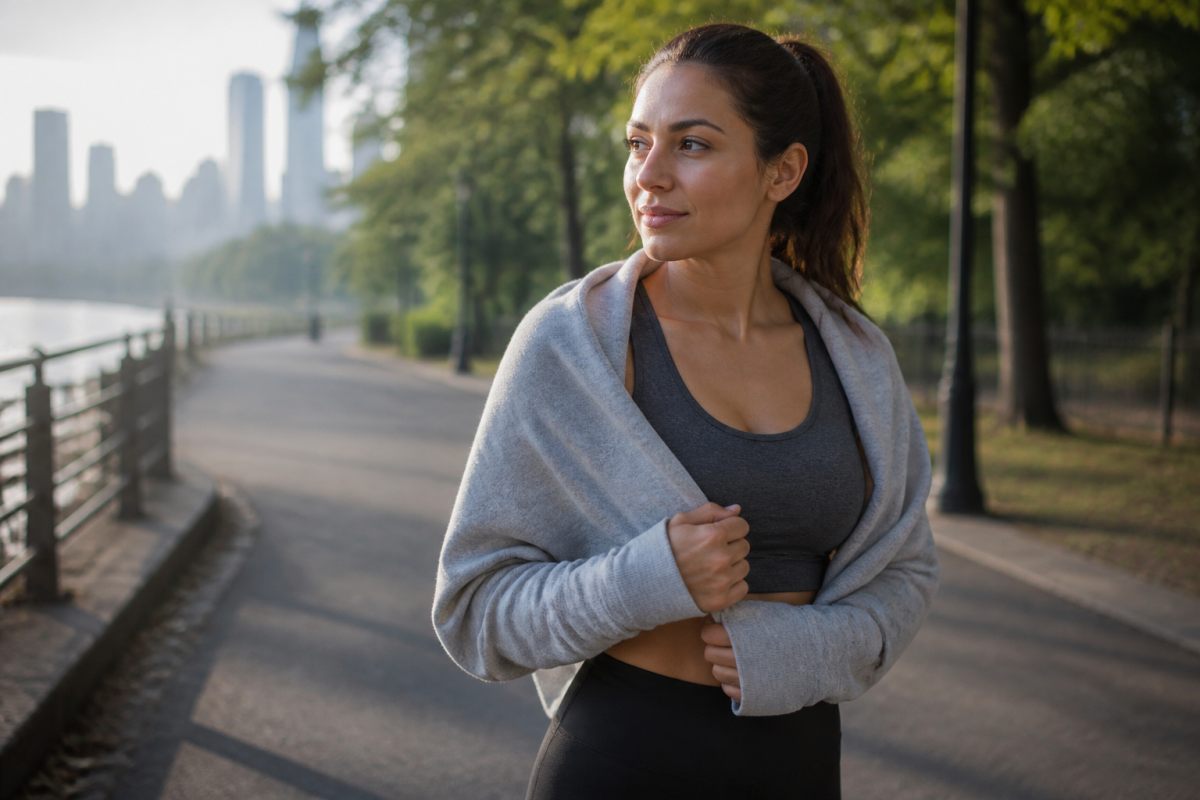
Start with conditions you expect
Temperatures can feel different before activity, during movement, and once you stop. A sweatshirt can be a straightforward extra layer when you want coverage without committing to a heavy outfit. A few minutes of preparation can make the layer easier to wear, remove, carry, and use again later. Keep the decision simple and avoid making assumptions about comfort until you have moved naturally in the complete outfit.
Use a simple check
- Try it over the top you expect to wear.
- Raise your arms and reach forward
- Consider where you can carry the layer if the temperature changes.
Keep the choice practical
Choose a layer you can remove without fuss. Check the forecast yourself, consider your planned route and stops, and choose an option that feels settled at the neckline, sleeves, and hem.
A useful reminder
Before each session, take a brief moment to notice how the layer feels while standing, walking, and reaching naturally. These ordinary checks can help you make a comfortable choice for the activity ahead. Clothing preferences vary, so use your own comfort and planned conditions as the final guide.
If you are unsure, try the full outfit at home with the shoes and bag you plan to use. This lets you notice small issues before they become distracting. Make one calm adjustment at a time and avoid forcing the fabric or hardware. The goal is not a perfect test; it is a practical comfort check that lets you focus on your planned movement.
Keep it simple
Small adjustments early can reduce distractions later. Choose the layer that feels easy to manage for your plan, and change it when conditions or movement call for a different option.


