

-
Sports Bras 16
-
Tank Tops 13
-
Short Sleeve Tops 13
-
Long Sleeve Tops 13
-
Coats & Jackets 6
-
Sweatshirts & Hoodies 8
-
Knitwear 3
-
Shorts 3
-
Tennis Skirts 3
-
Leggings 3
-
Flared Pants 3
-
Wide Leg Pants 3
-
Joggers 3
-
Sweatpants 3
-
Jumpsuits & Bodysuit 8
-
Tennis Dresses 8
-
Activewear Sets 3
-
Plus Size Activewear 3
-
Backpack 3
How to Layer Workout Tank Tops for Changing Temperatures?


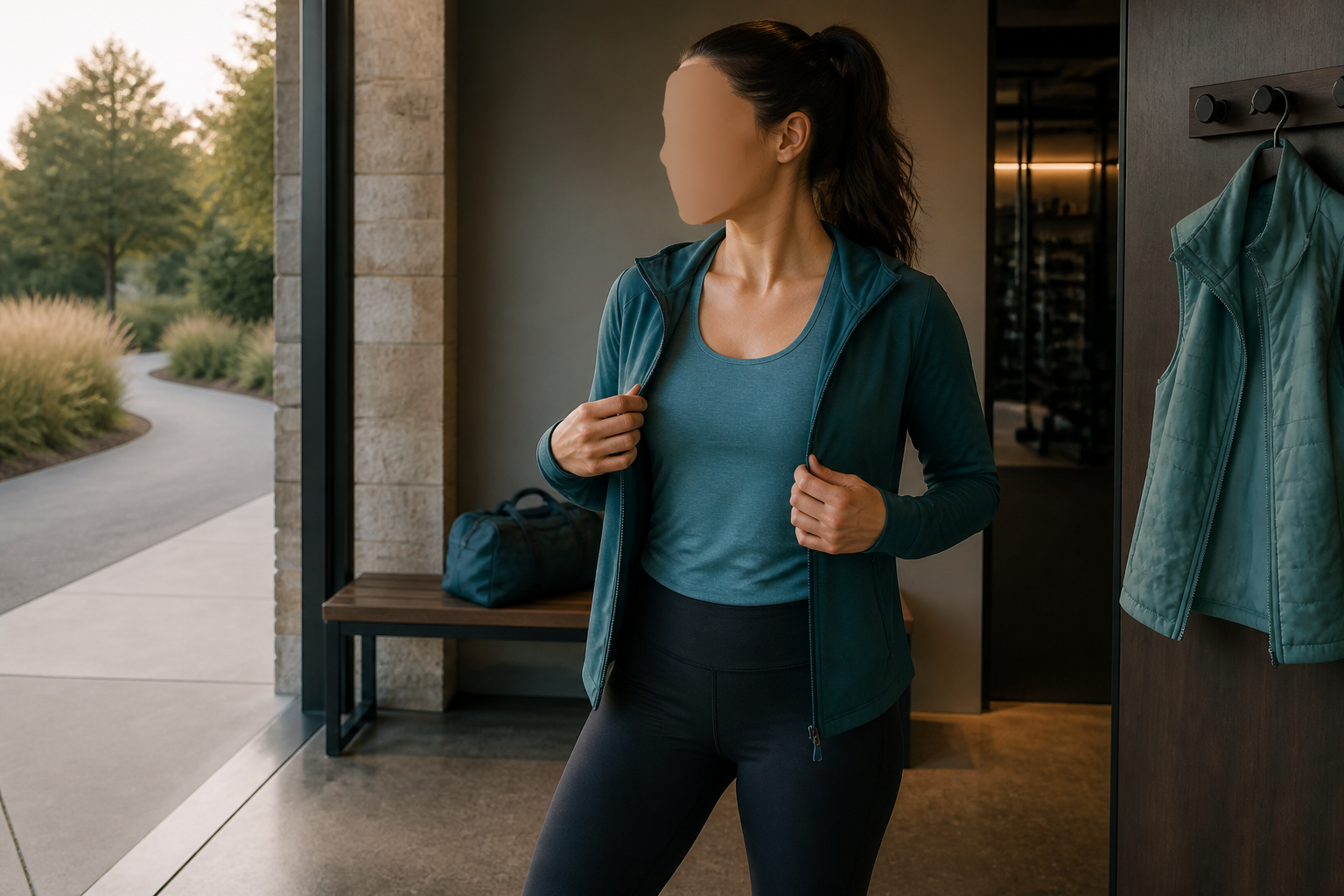
A workout can begin in cool air and finish when you feel much warmer. A tank top works well as a base because it leaves your arms free, but the layers above it should be easy to remove, breathable, and comfortable through your full range of motion. Planning the order of those layers helps you adjust without interrupting your routine.
Start with a comfortable base tank
Choose a tank that fits smoothly under other garments. Thick knots, bulky straps, or loose folds can become noticeable beneath a fitted midlayer. The neckline and armholes should remain comfortable even when another garment presses lightly over them. If you expect to sweat, select a tank you can wash soon after the session.
Add a light midlayer for warm-ups
A lightweight long-sleeve top, open hoodie, or zip layer can provide temporary warmth before your body heats up. An opening at the front makes temperature adjustment easier because you can unzip before removing the garment. Check that the shoulders allow reaching, rowing, and overhead movement without pulling the tank underneath.
Use an outer layer for wind or transit
When you walk to the gym or exercise outdoors, a light jacket or vest can add protection during the coldest part of the outing. Choose the outer layer according to actual conditions rather than assuming one option works in every season. It should fit over the midlayer without compressing your arms or chest.
Remove layers in a practical order
- Begin slightly cool rather than overly warm if you expect vigorous movement.
- Open the outer layer when you first start to heat up.
- Remove the outer layer, then the midlayer, before either becomes soaked.
- Put a dry layer back on during the cool-down or trip home if the air feels cool.
Avoid common layering problems
Too many tight layers can restrict movement, while several loose layers may twist or bunch. Align straps and seams before starting. Store removed layers in a clean, dry place rather than on gym equipment or a damp floor. For outdoor sessions, carry only what you can safely secure once removed.
A simple tank, removable midlayer, and condition-appropriate outer layer create a flexible system. Test the combination during movement so each piece works together instead of becoming a distraction.


